
Tool
Scoring notation reference
A one-page legend for dots, runs, wickets, and extras so two scorers can share a book without a translation layer.
Print this for the scoring tent. House-style differences (how you write a no-ball plus four) should be decided once per club, then reused.
| • | Dot ball |
|---|---|
| 1–3 | Singles and rotated strike |
| 4 / 6 | Boundary, by the bat unless marked otherwise |
| W | Wicket, with the mode beside it |
| wd / nb | Wide / no-ball, plus any runs from the delivery |
| b / lb | Bye / leg-bye |
FAQ
Questions about this calculator
- 01 Is there one correct set of scoring symbols?
- No. Clubs pick a house style. The important thing is to use the same symbols for every match in the competition.
- 02 How do I write a no-ball hit for four?
- Write nb and the four off the bat, or nb+4 in a compact style. Credit the four to the batter and the no-ball run to extras.
Keep reading
From the cricket library
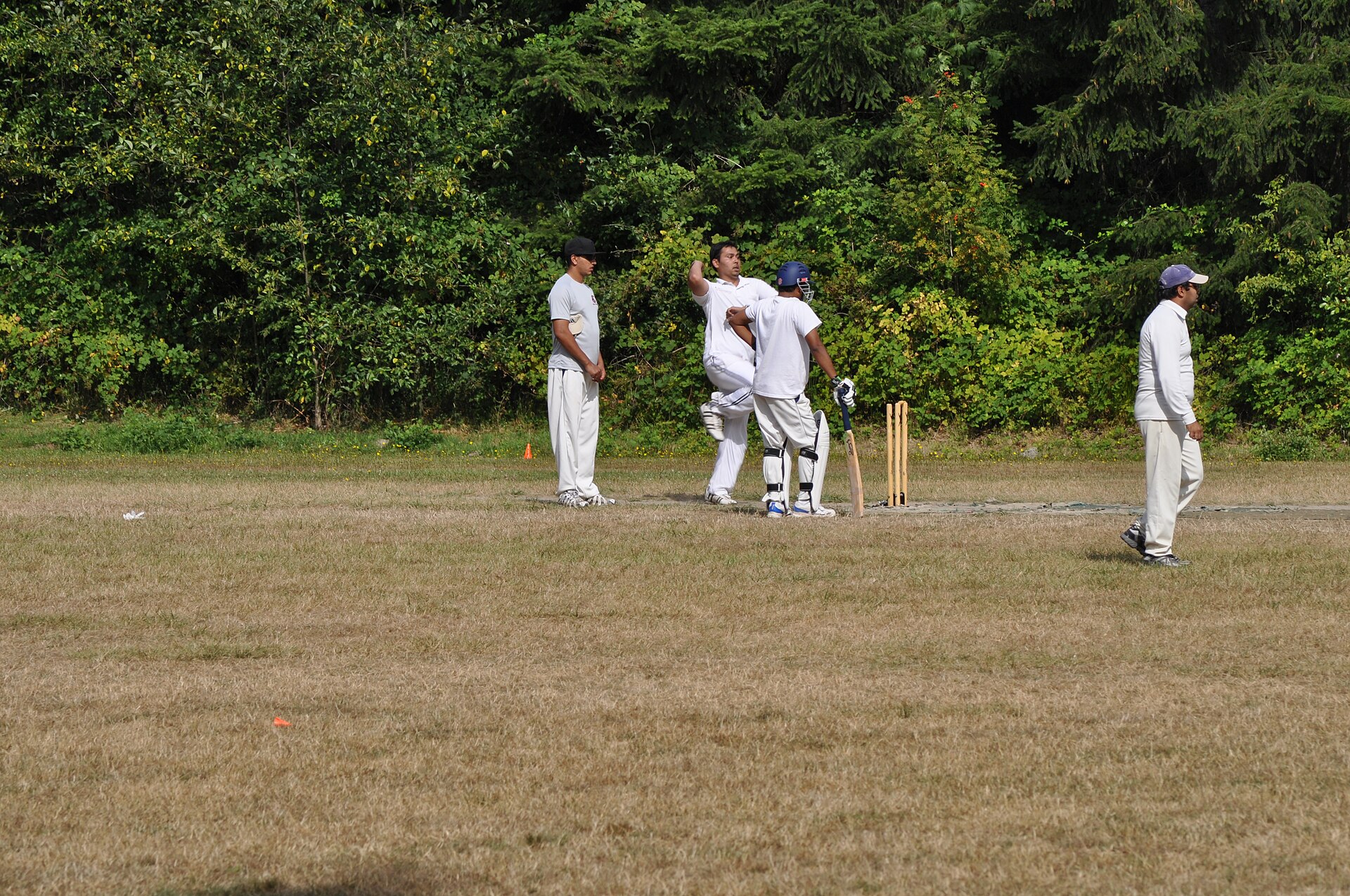 Photo: Joe Mabel, CC BY-SA 3.0GlossaryYorkerA full-length delivery aimed at the base of the batter’s stumps.
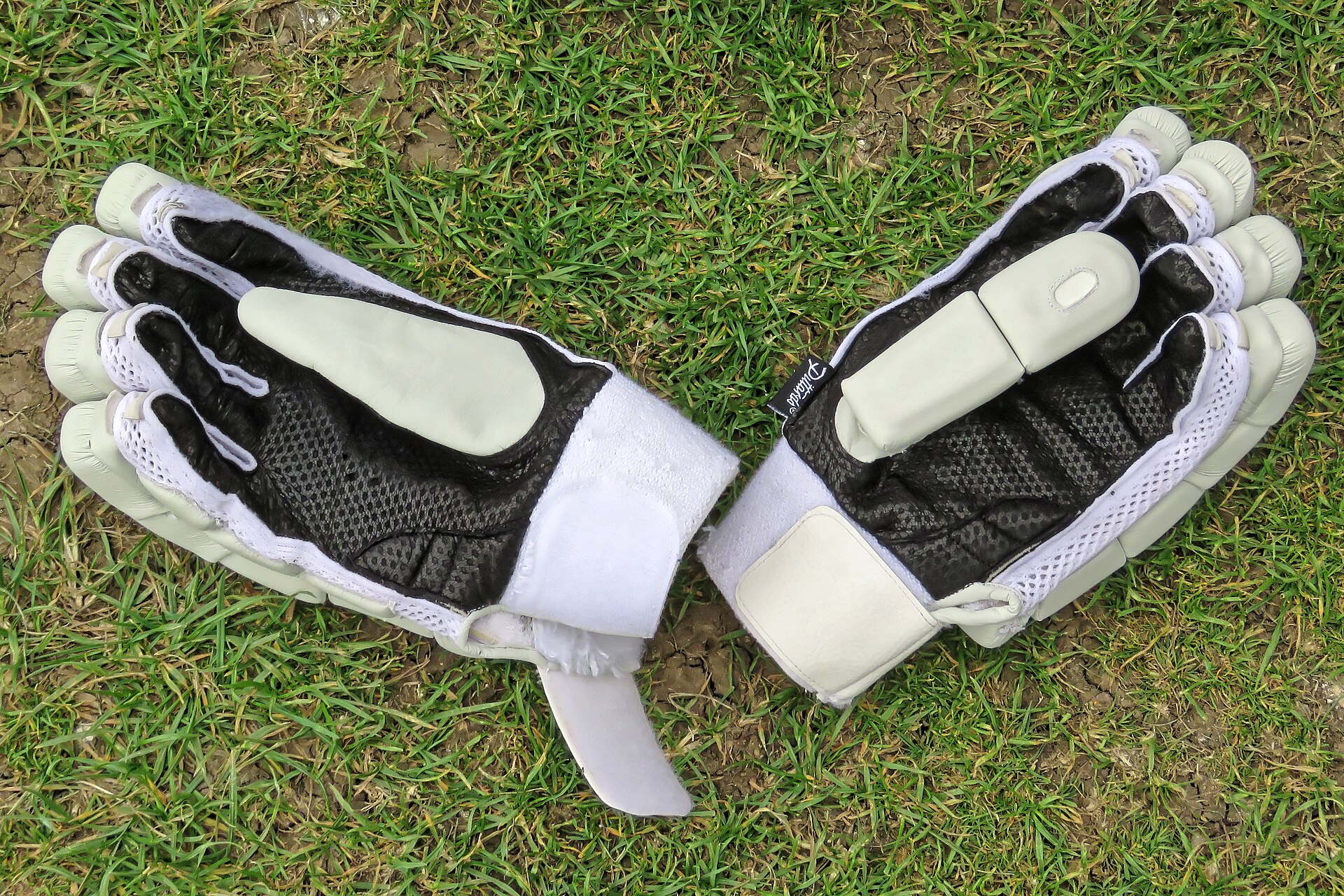 Photo: Acabashi, CC BY-SA 4.0LawUnfair play and ball tamperingUnfair play covers acts that break the spirit of the game, including changing the condition of the ball. The umpires decide, award penalty runs where the Laws allow, and report serious cases.
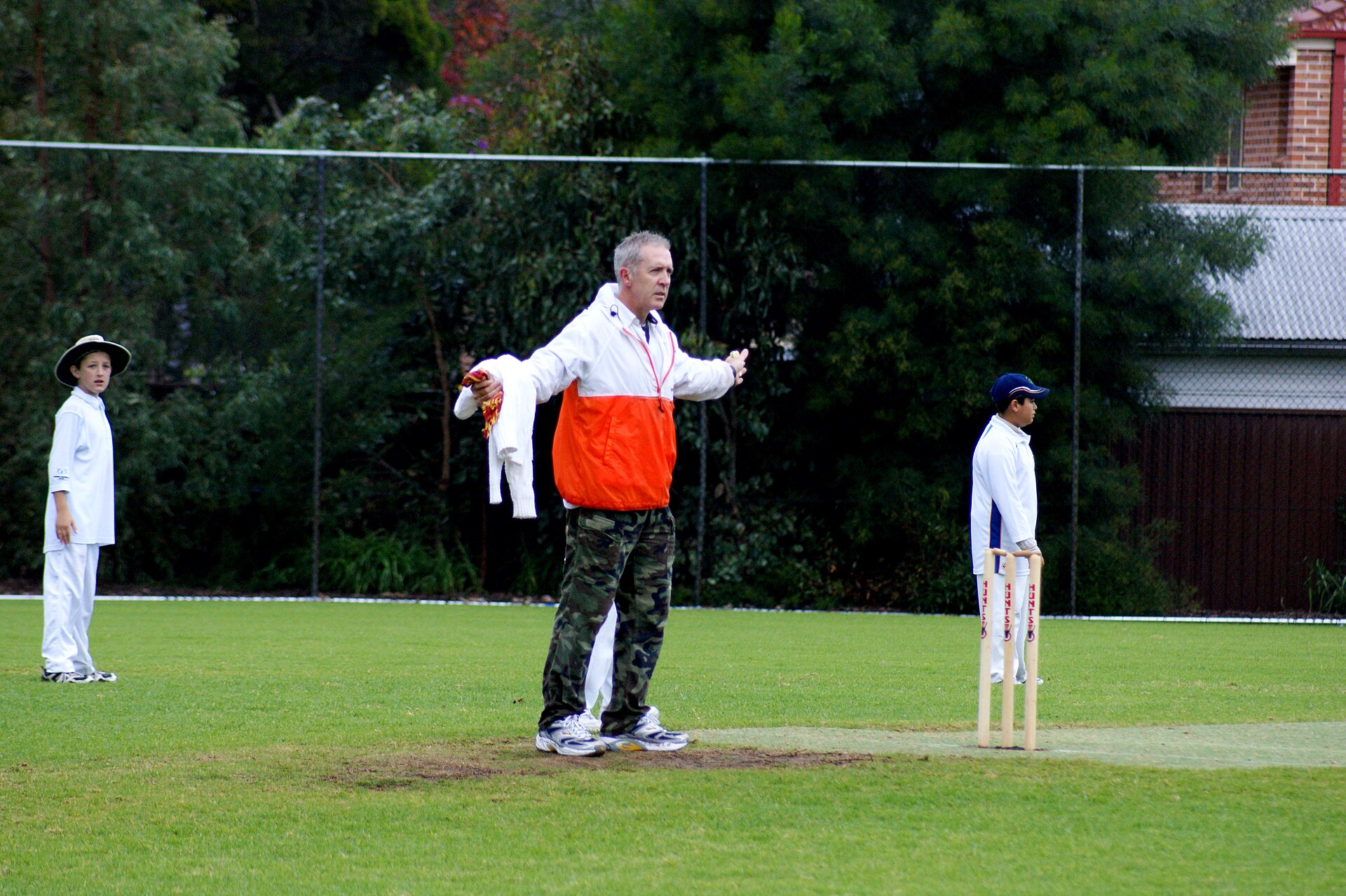 Photo: Dion Gillard, CC BY 2.0LawExtras: wides, no-balls, byes, leg-byesExtras are runs that do not come off the bat in the usual way: wides, no-balls, byes, and leg-byes. They still belong in the innings total.
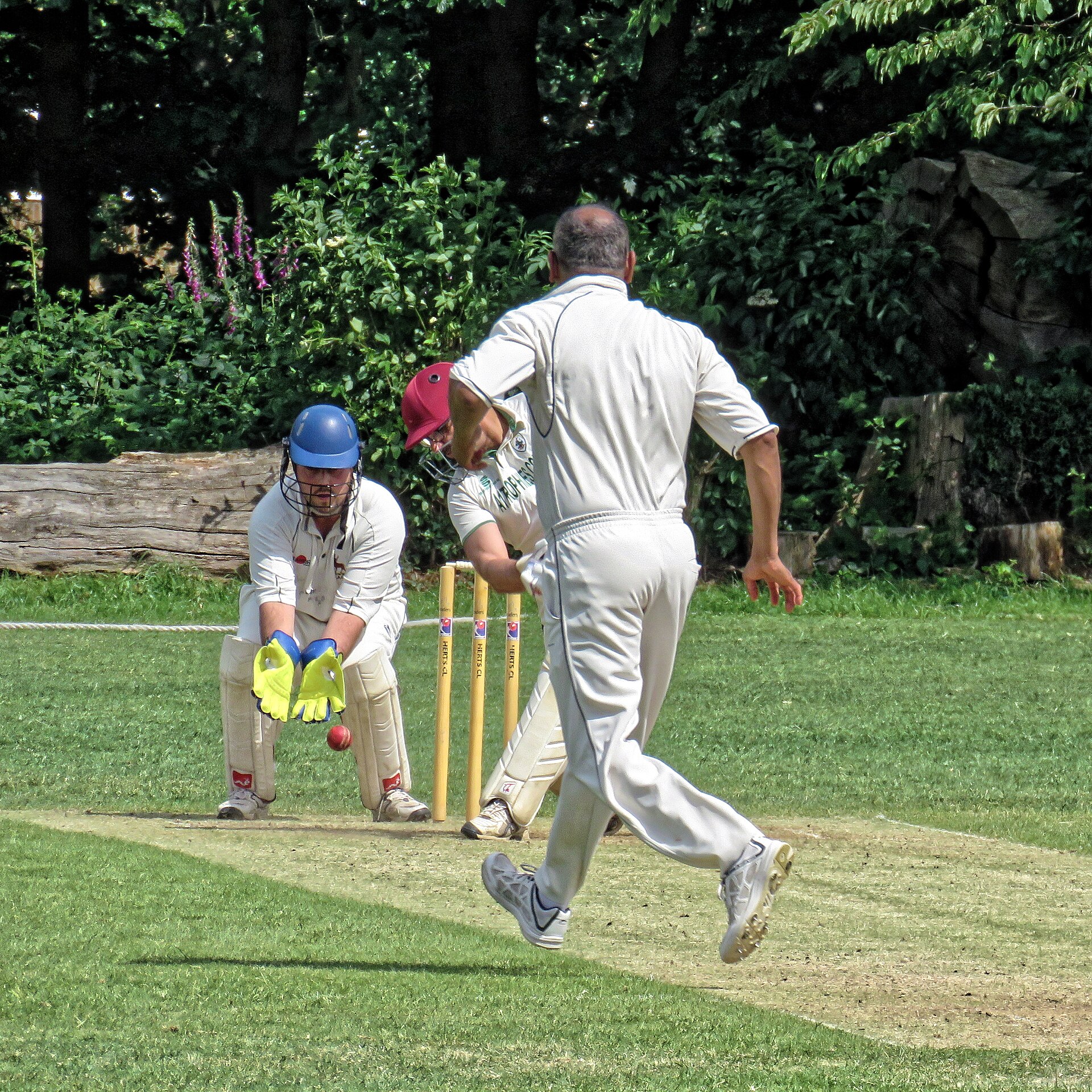 Photo: Acabashi, CC BY-SA 4.0GlossaryByeA run taken that did not come off the bat or the batter’s person in the leg-bye sense. Recorded as an extra.
 Photo: http://picasaweb.com/kroome111, CC BY 3.0BlogWhat the umpires are actually decidingTwo umpires on the field, a third watching replays, and a match referee handling conduct. Each has a defined job, and knowing which one owns a decision explains most of what happens after an appeal.
 Photo: Jonosunde, CC BY-SA 4.0BlogGully cricket: how to agree the rules before the matchGully cricket is played in streets and small grounds with local rules. The fastest way to avoid an argument is to agree those rules before the first ball, and write them down.