On the field
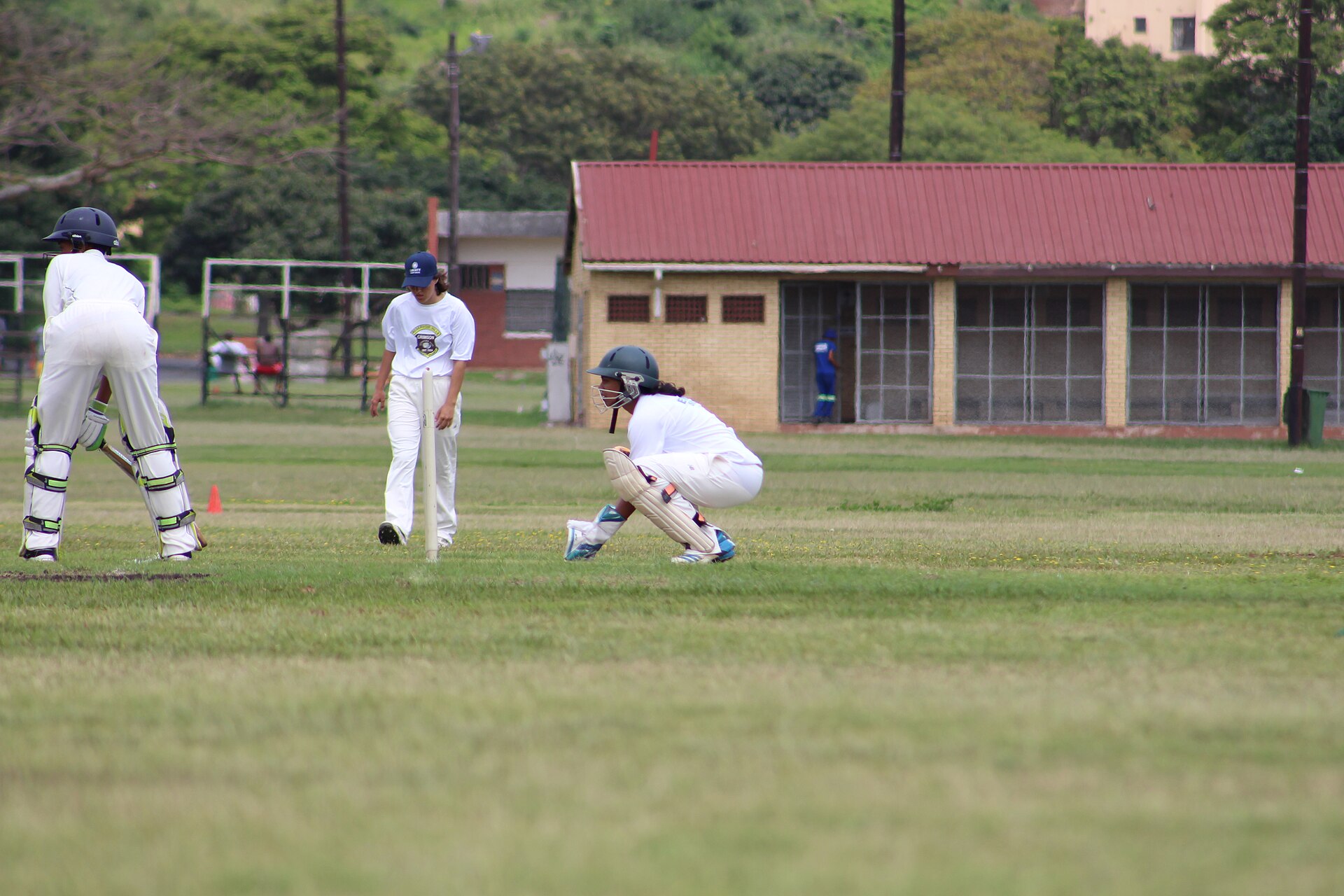
The two on-field umpires are the sole judges of fair and unfair play. The bowler's-end umpire rules on lbw, no-balls, and wides; the striker's-end umpire is better placed for run-outs, stumpings, and short runs at that end. They also decide, with the players' safety in mind, whether conditions are fit to play.
Crucially, the umpires answer appeals. A batter is not out unless a fielder appeals and the umpire agrees — which is why the shout matters and why a wicket can be missed if nobody asks.
Off the field
The third umpire watches television replays and owns the decisions that cameras do better than eyes: line calls at the crease, boundary contact, and the review process. The match referee sits outside the game entirely, dealing with conduct, over rates, and the code of conduct — not with whether the ball hit the pad.
The review system
Where a competition uses the Decision Review System, a side can challenge a small number of decisions per innings. The third umpire checks in a fixed order: whether the delivery was legal, whether the ball hit the bat before the pad, where the ball pitched, whether it struck in line, and whether it would have gone on to hit the stumps.
Two ideas confuse people most. Umpire's call means the ball-tracking projection was close enough to the margin that the original decision stands — the technology is treated as having a tolerance, not as an oracle. And a review returns a decision to the umpire; it does not hand the decision to a machine.
The soft signal, where an on-field umpire had to indicate a preferred outcome before sending a catch upstairs, was removed from international playing conditions in 2023, because a guess made at distance was outranking clear replay evidence.
What none of this changes
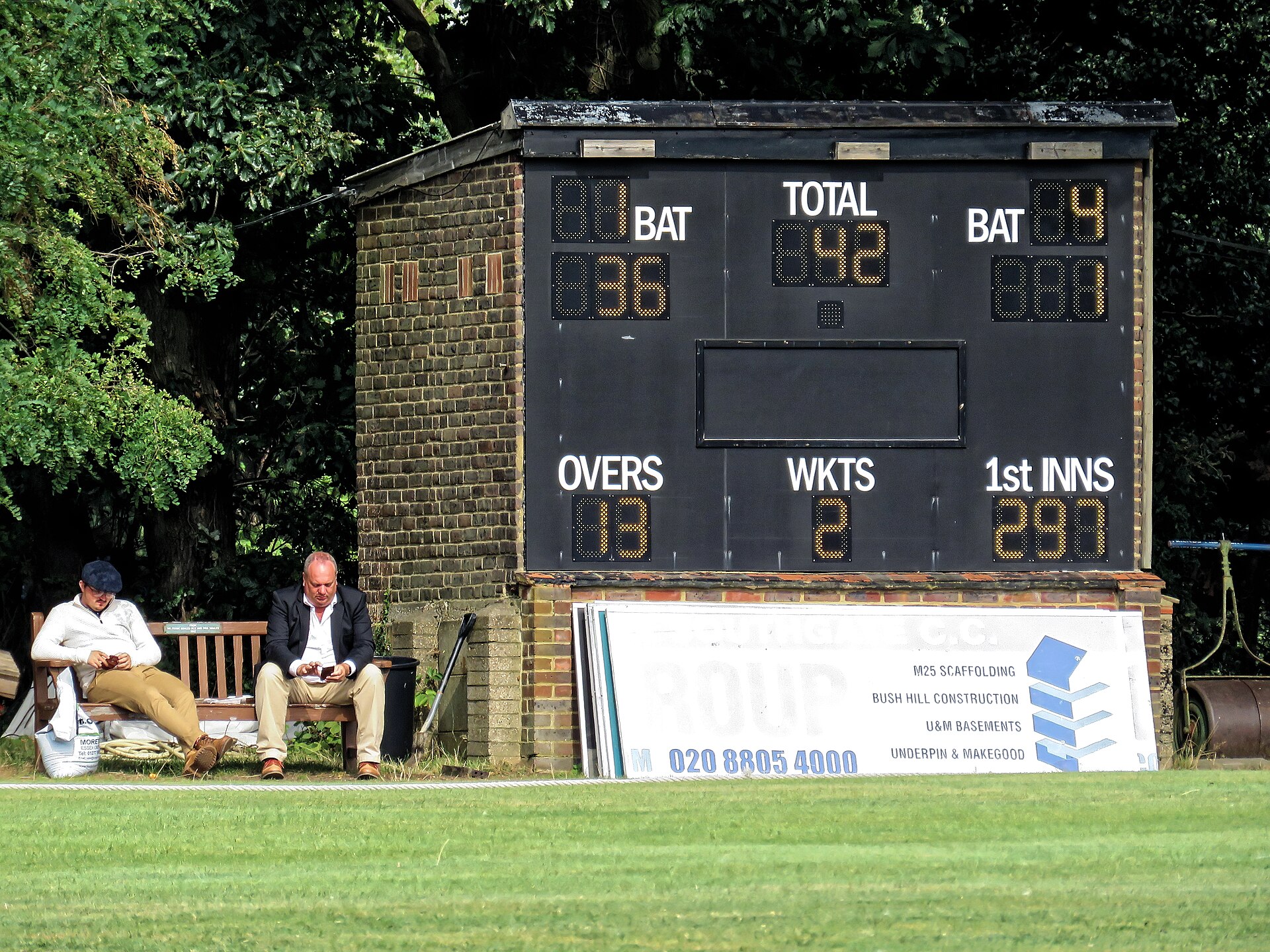
The scorer's job. You record what the umpire signals, in the order it happens. If a decision is reviewed and reversed, you amend the book to the final decision and, ideally, note that it was reviewed. If a five-run penalty is signalled — the ball striking a fielder's helmet on the ground, for instance — it goes in as a penalty, not into a batter's score.
The umpires decide. The book remembers. Those are two different jobs, and the second one is yours.
How to respond to a decision
Players and captains can question a decision politely, but the umpire's word is final on the field. The respectful response is to accept the decision and raise any concern with the umpire after the over or the session, through the captain. A club that teaches this habit avoids most disputes.
Becoming an umpire
Umpiring is a good way to learn the Laws in depth, and most clubs are short of umpires. Any player who wants to understand the game better should consider umpiring a few matches a season.
Match questions
Questions scorers actually ask
- 01 Who decides an lbw appeal?
- The umpire at the bowler’s end, in response to an appeal. Where DRS is in use, a review can send that decision to the third umpire, who returns a verdict to the on-field umpire.
- 02 What is umpire’s call?
- A DRS outcome where the ball-tracking result falls inside the system’s margin of error, so the on-field umpire’s original decision stands.