Two kinds of extra
Wides and no-balls are extra deliveries. The bowler has to bowl the ball again, so they are not legal balls and they do not count toward the six balls of the over. Byes and leg-byes are different: the ball was legal, so it counts as one of the six.
Mixing those two facts is how bowling figures fall apart.
Wides
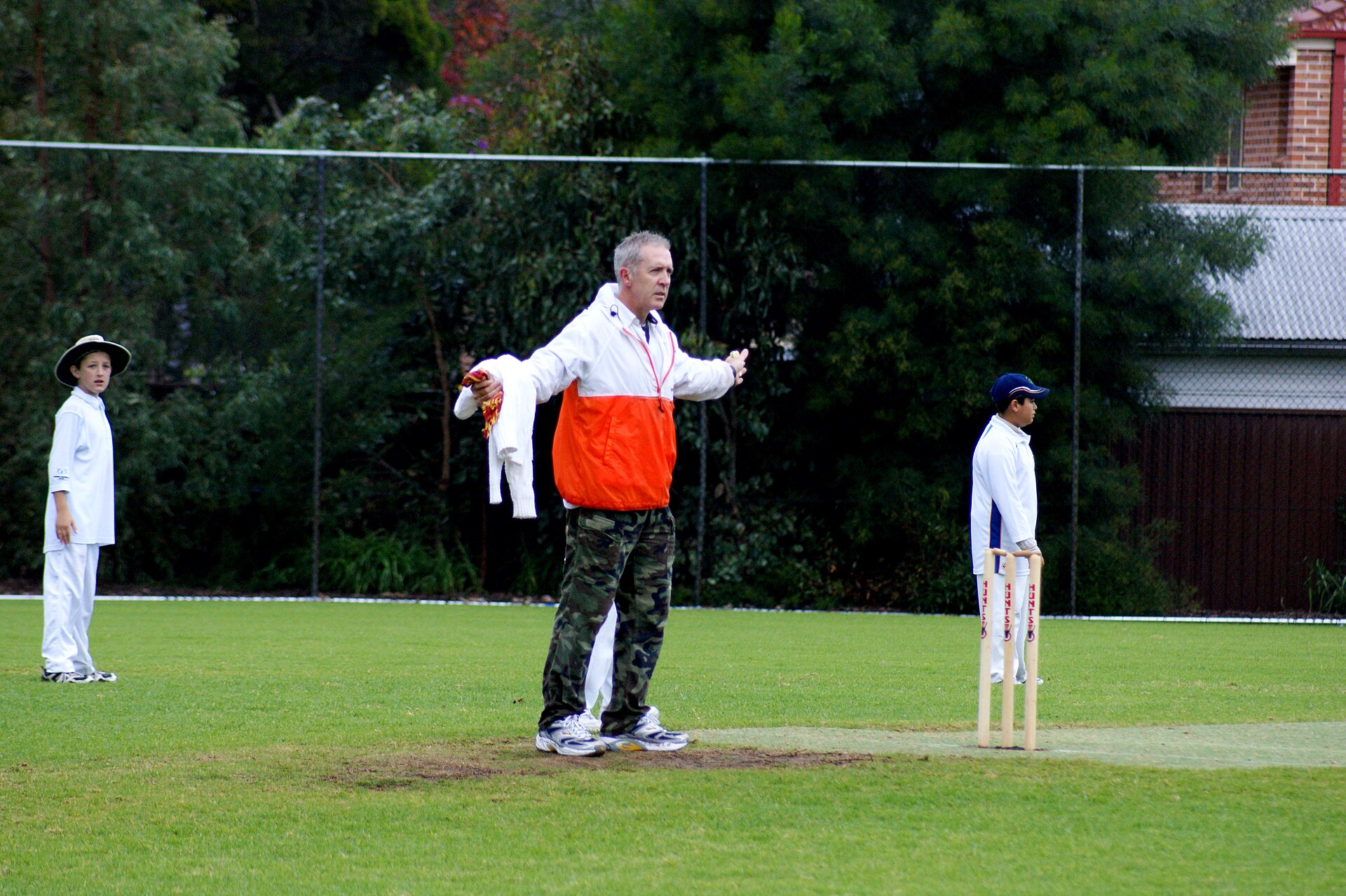
A wide is a delivery the umpire judges too wide for the batter to reach and play in a normal way. It is one extra run plus any runs run off it. The batter cannot be out bowled off a wide, but can be stumped or run out.
No-balls
A no-ball is an illegal delivery: the bowler oversteps the popping crease, the front foot lands outside the return crease, or the arm is illegal. It is one extra run, plus any runs off the bat. The batter cannot be out bowled, LBW or stumped off a no-ball, but can be run out.
A no-ball hit for four is four off the bat plus the no-ball extra. Write both.
Free hits
In limited-overs cricket, the ball after a no-ball is usually a free hit. The batter cannot be out in most ways on a free hit, and runs scored off the bat count to the batter. The no-ball and any runs from it are still recorded. Check the playing conditions, because some formats do not use free hits.
Byes and leg-byes
A bye is a run taken when the ball passes the bat and the batter's body, and the batters run. A leg-bye is a run when the ball hits the body or pad, not the bat, and the batters run. Both are legal balls. Neither is credited to the batter or the bowler's runs.
Recording extras
- Write the extra letter next to the ball: wd, nb, b, lb.
- Keep the extras line separate so the batter's total stays clean.
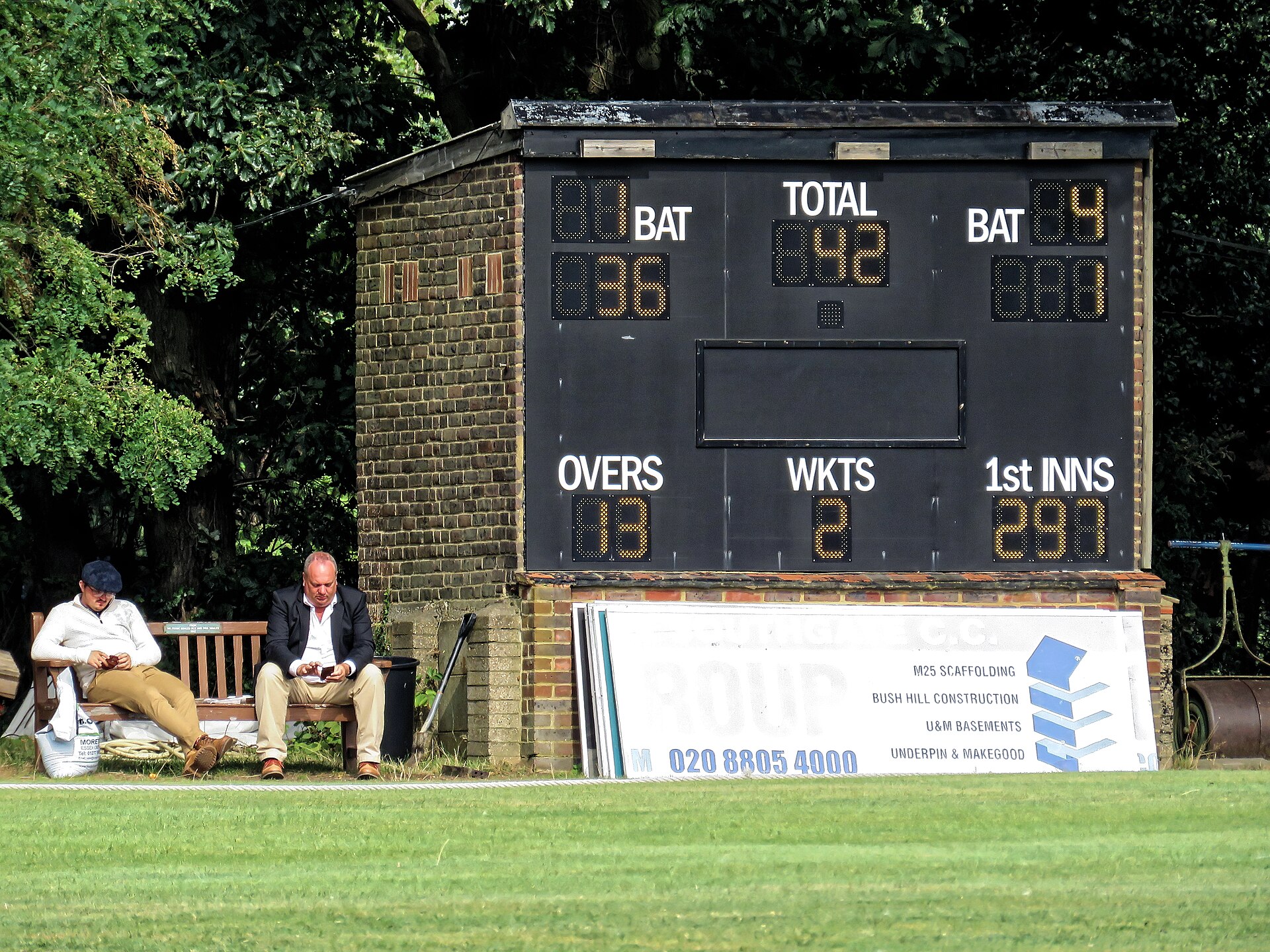
- Check the total of extras against the innings total at the close.
Common mistakes
- Recording a wide as a legal ball, so the over finishes early.
- Crediting a bye to the bowler's runs.
- Missing the no-ball run when a boundary was hit off a no-ball.
- Forgetting that wides and no-balls count against the bowler's analysis.
Citations
MCC Laws of Cricket, the sections on wides, no-balls, byes and leg-byes.
Match questions
Questions scorers actually ask
- 01 Does a wide count toward the six balls?
- No. A wide is an extra delivery, so the bowler bowls again.
- 02 Can a batter be out bowled off a no-ball?
- No. A no-ball cannot be given out bowled, LBW or stumped. The batter can still be run out or caught.
- 03 Are byes credited to the bowler?
- No. Byes and leg-byes are extras. They count to the innings total and the balls count to the over, but they do not hurt the bowler’s analysis.
- 04 What is a no-ball hit for six?
- Six runs to the batter and one extra for the no-ball, seven runs in all. The batter is credited with six, and the no-ball is recorded separately.