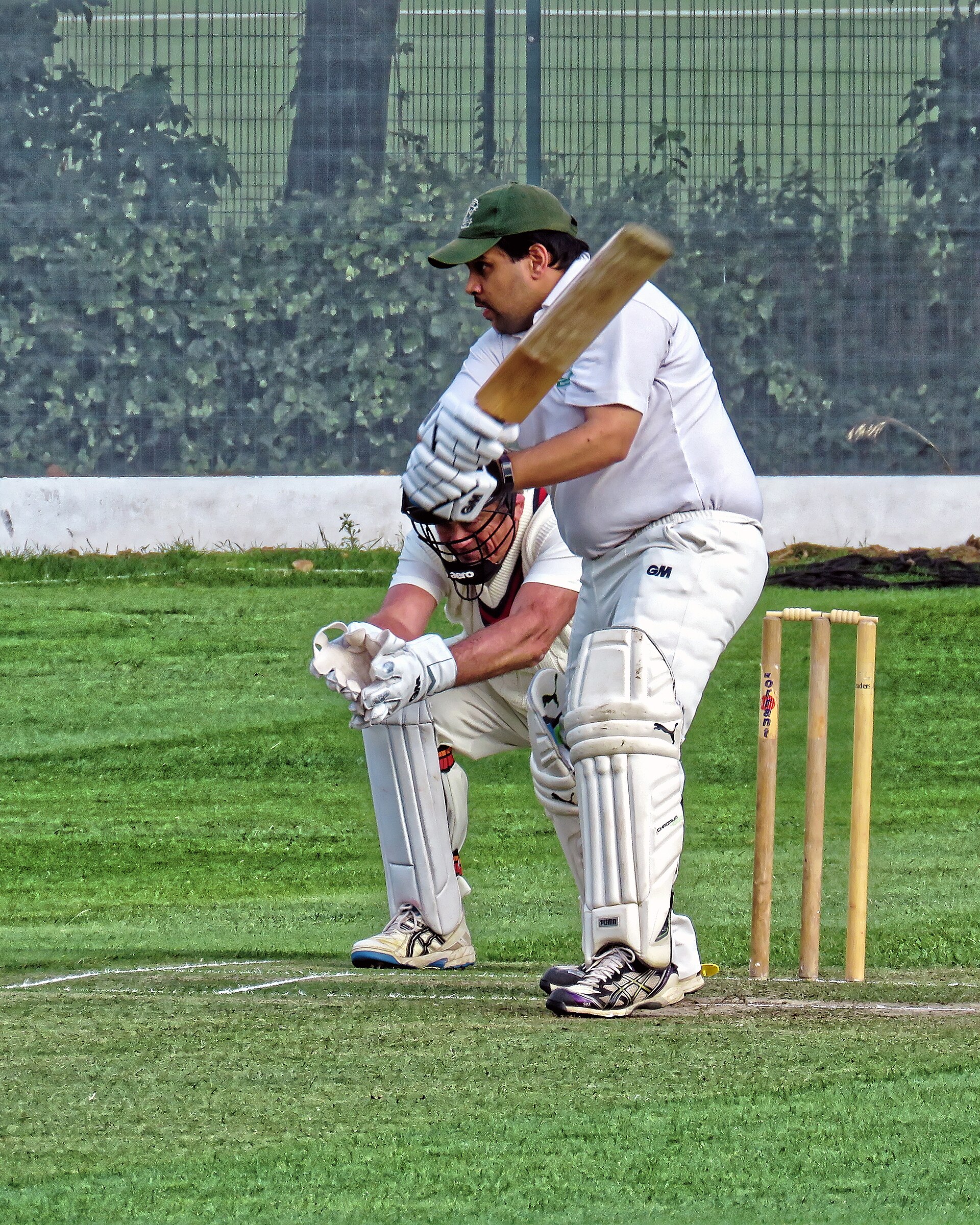
Gully cricket is one of the purest forms of the game. It needs a bat, a ball and a patch of ground, and it has no umpires, no scorers and no official rulebook. That freedom is the reason people love it, and it is also why arguments start. This guide shows how to agree the rules quickly and fairly, so the match is decided on the ground rather than in the middle of it.
Why local rules matter
Gully cricket has no single rulebook. Each street, park and ground has its own habits, and those habits are part of its character. The trouble starts when the habits are not shared. One player assumes a ball off the wall is out, and another assumes it is a boundary, and the match stops while everyone argues.
The solution is to agree the habits out loud before the toss. It takes two minutes and saves the rest of the afternoon. The rules do not have to be the same as the MCC Laws. They only have to be the same for everyone on the ground.
What to agree
Settle the number of overs, and whether it will be a fixed number or until a set number of wickets fall. Decide how many wickets the side has, and whether the last batter can bat alone. Agree whether a player can be out off the first bounce, and whether a catch on the bounce counts. Those four points cause most arguments in gully cricket.
Decide the boundaries before play begins. A wall, a tree, a parked car or a drain can mark a four or a six. Agree whether a ball that goes over the wall is a six or whether it must be caught on the full. Agree the rule for a ball that hits a parked vehicle, and whether a batter can be out if they leave the ground to fetch a ball.
Rules for the bowling side
Agree how the bowling side changes ends and how many overs one bowler can bowl in a row. Decide whether a wide or a no ball gives an extra run, and whether a no ball allows a free hit. Gully groups usually keep these rules simple, because complicated ones are hard to remember.
Decide who umpires, if anyone does. Many groups take turns, and the person out of the game makes the decisions. Whoever umpires should be agreed in advance, so nobody feels the decision was made against them.
Write it on the wall
A written list, even on a scrap of paper, ends arguments faster than memory. Keep it with the bats and the stumps, or photograph it on a phone and share it with the group. Writing the rules also makes them easier to change when the group decides something new.
Use the same rules for the scorecard
If you keep a score, record the local rules as well, so the next match starts from the same agreement. A scorecard with no record of the rules is hard to compare across weeks, and the group loses the history that makes gully cricket memorable.
Keep it friendly
The purpose is a good game for everyone, including the youngest and least confident players. Rules that favour one side soon empty the ground, and the best gully groups are the ones where the rules change slowly and by agreement. Review the rules once a season, and keep the ones that everyone still likes.
When a dispute happens
Stop play, and let the person umpiring make a decision. If the group disagrees, agree a rule for the rest of the match and write it down. Do not carry a dispute from one week to the next without resolving it. A decision made calmly on the day is almost always better than a grudge held for a month.
Common questions
Gully cricket works best when the rules are short enough to remember. If you need more than a page, the group probably has too many exceptions, and a simpler set of rules will be easier for everyone.
Match questions
Questions scorers actually ask
- 01 Do gully cricket rules follow the MCC Laws?
- Not exactly. Gully cricket uses local rules, which are agreed by the players. Where a local rule is unclear, agree it before the match and write it down.
- 02 How do we decide an out on the first bounce?
- Agree the rule before the toss. Many groups allow a catch on the bounce, and some do not. Either is fine if everyone knows it before the first ball.
- 03 Who should umpire a gully match?
- Agree it in advance. Many groups take turns, and the person not playing makes the decisions. The important thing is that everyone accepts the arrangement.