Bowled
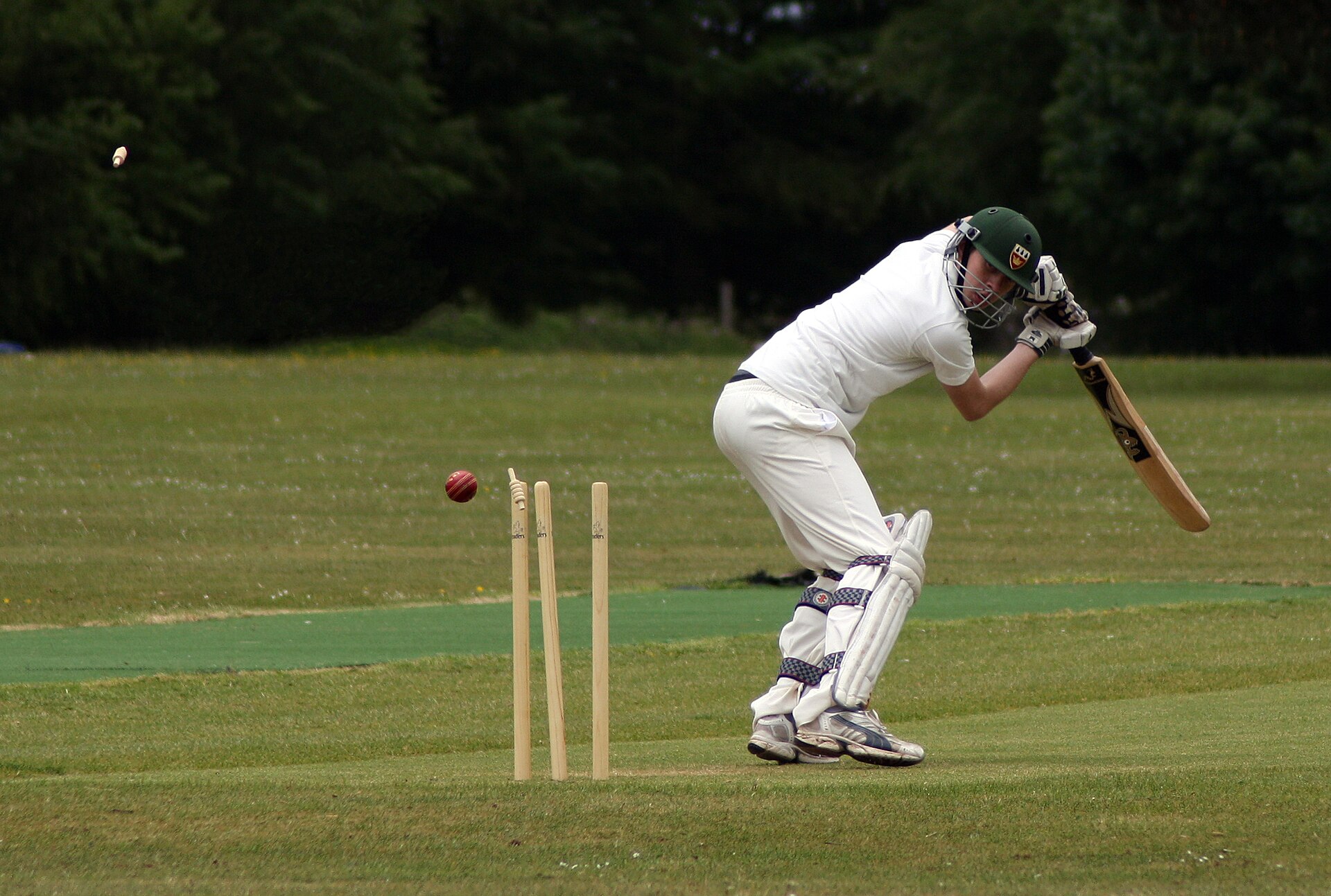
The ball hits the stumps and at least one bail falls. A ball that hits the stumps after deflecting off the bat or the batter is still bowled, unless it was a hit wicket. Write "b [bowler]".
Stumped
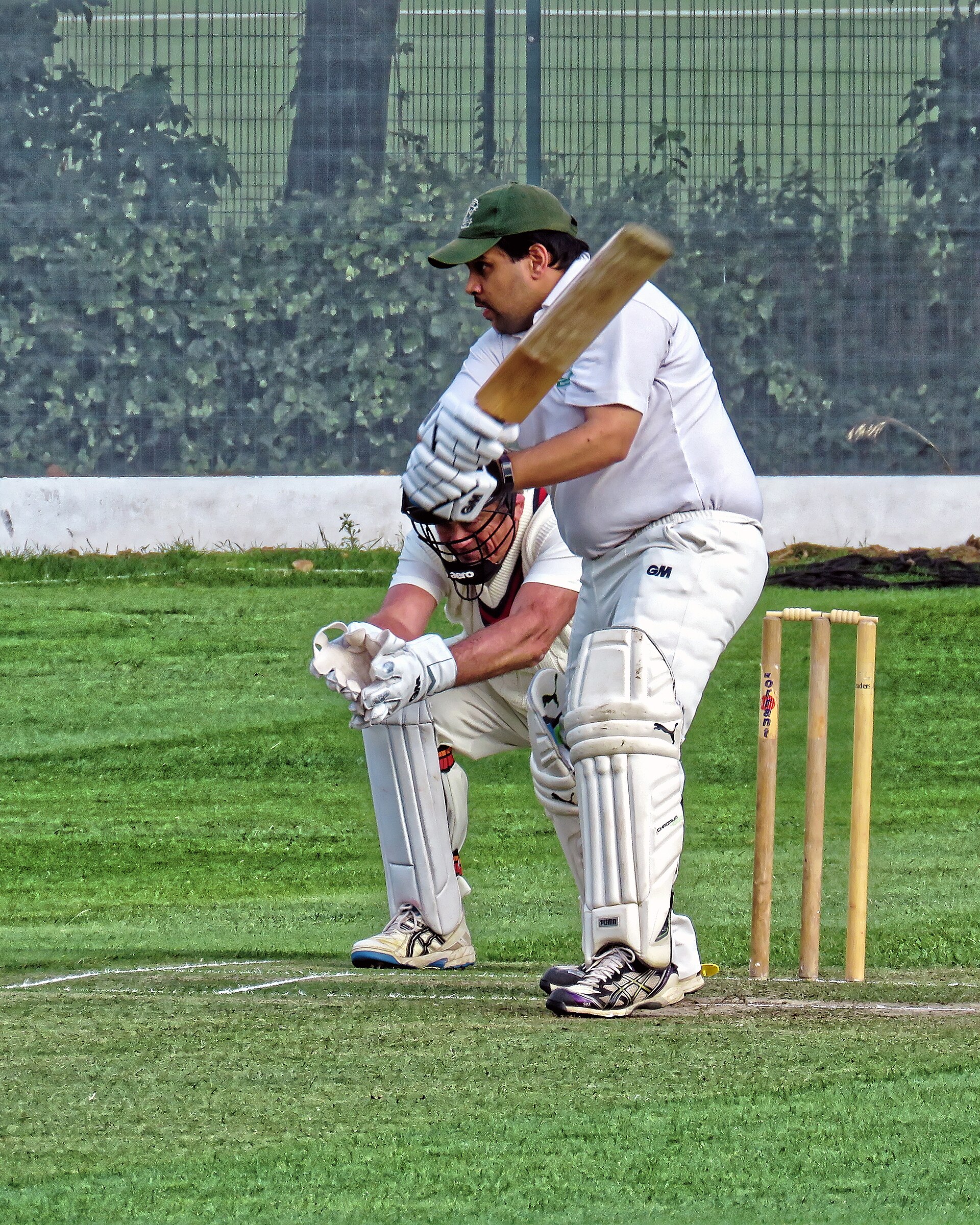
The wicket-keeper receives the ball and breaks the wicket with the batter out of the crease, and the batter was not attempting a run. The mode is "st [keeper]". The ball must not be dead. A batter can be stumped off a wide, but not off a no-ball.
What the scorer records
- b [bowler] for bowled.
- st [keeper] [bowler] for stumped, with the bowler credited with the wicket.
- The keeper's name, so the stumpings are right in the fielding figures.
Common mistakes
- Writing "bowled" when the ball hit the batter's pad first and then the stumps. That may be lbw, and the umpire decides.
- Crediting a stumping when the batter was running.
- Forgetting that a stumping off a no-ball is not possible.
Citations
MCC Laws of Cricket, the sections on bowled and stumped.
Match questions
Questions scorers actually ask
- 01 Is a stumping the keeper’s wicket or the bowler’s?
- Both are recorded. The bowler takes the wicket, and the keeper is credited with the stumping in the fielding figures.
- 02 Can a stumping happen off a wide?
- Yes. A wide is not a no-ball, so a batter can be stumped off one if the keeper breaks the wicket correctly.
- 03 What if the bail falls off without the ball hitting the stumps?
- Check whether the ball touched the stumps. A bail falling without contact is not a dismissal, so ask the umpire.