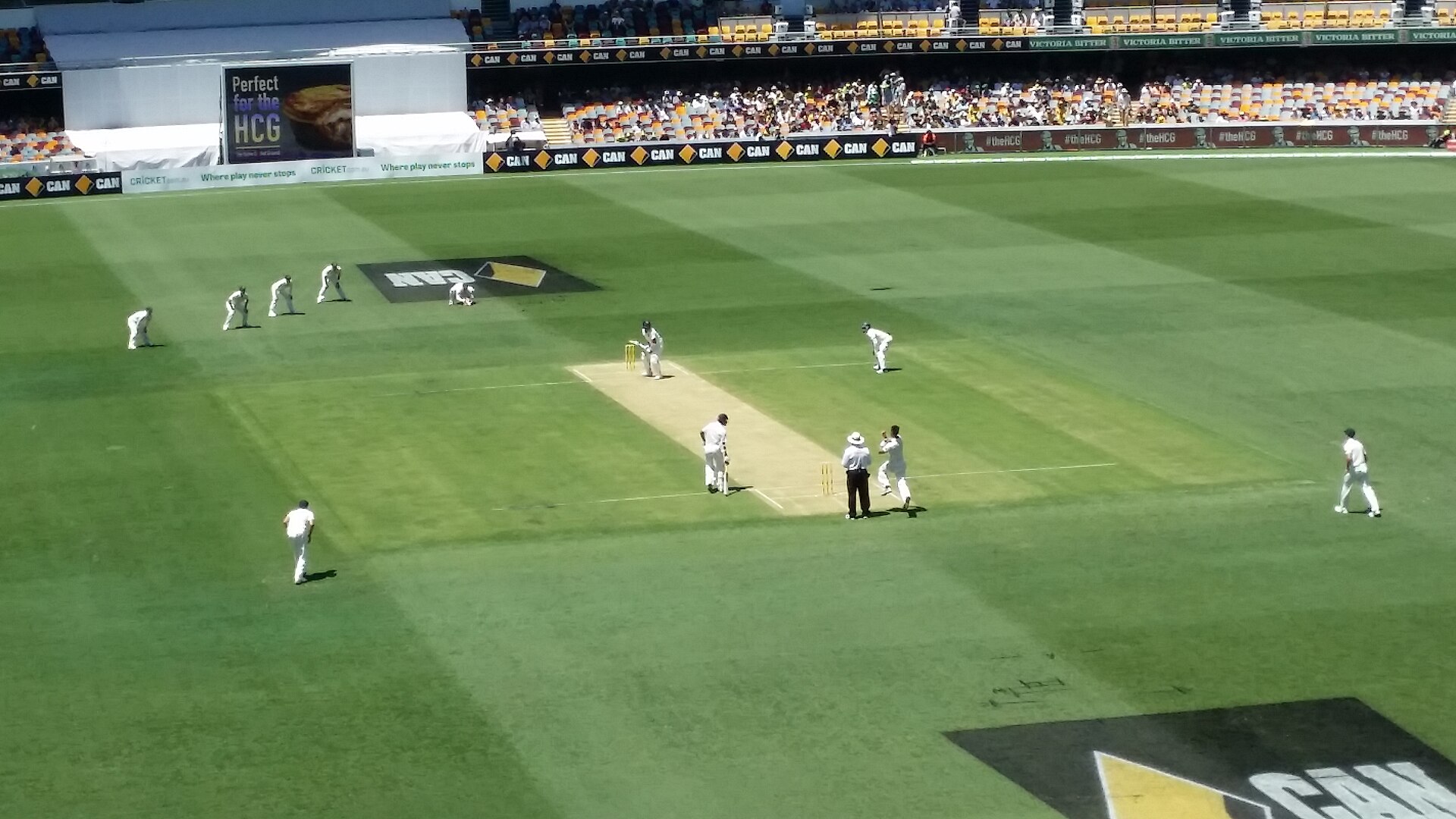
A Test is not a very long T20
The rhythm is different. A Test is a five-day contest with two innings a side, interruptions, and a result that can take all five days to decide. The scorer's discipline has to last as long as the match.
Start of play
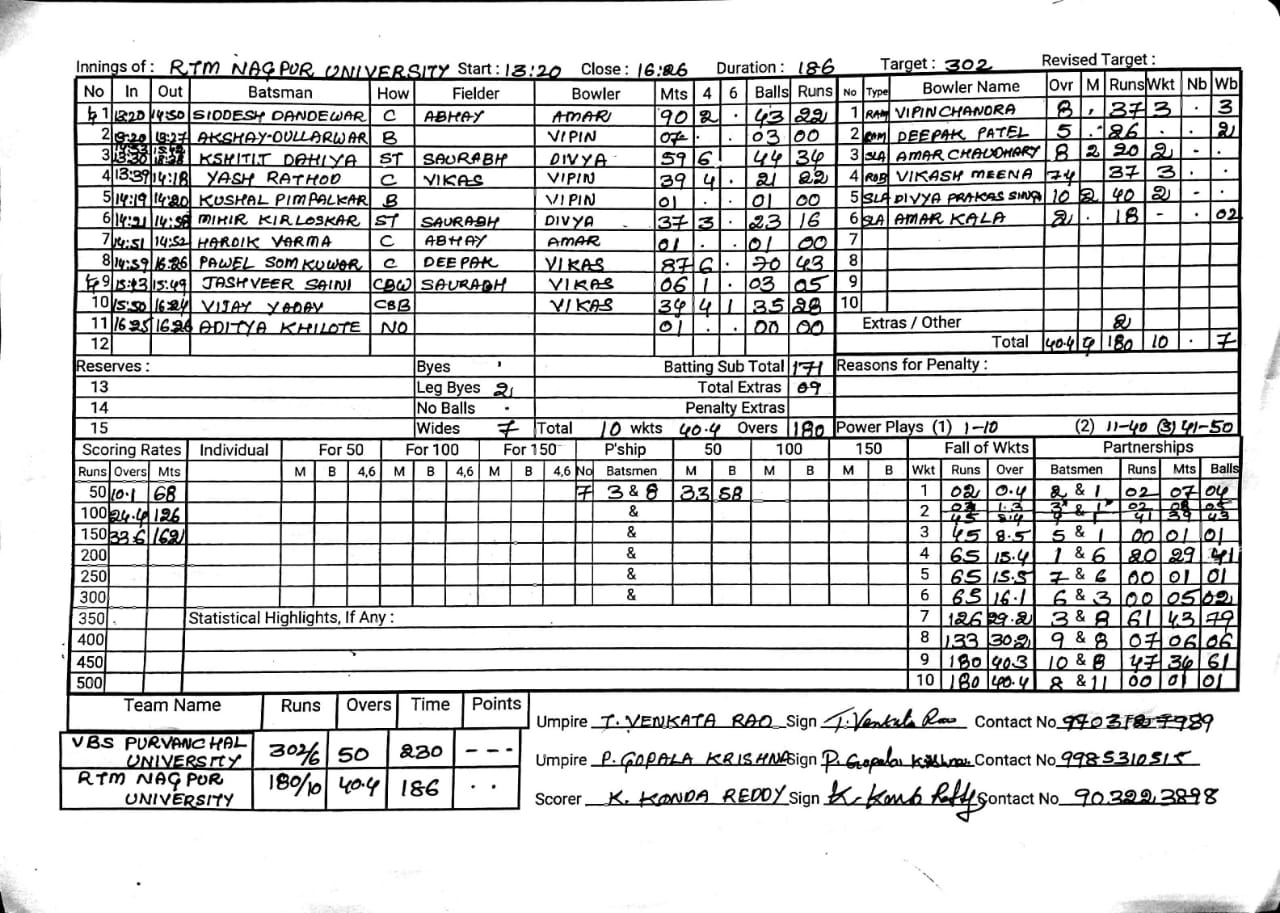
Record the toss, the batting order, the playing conditions (including the overs per day and the number of days scheduled), and the names of both captains and the umpires.
During the day
Record each over. Mark the lunch, tea and drinks breaks, and any stoppage for light or weather with the time. Check the day's runs and wickets at each break.
The new ball
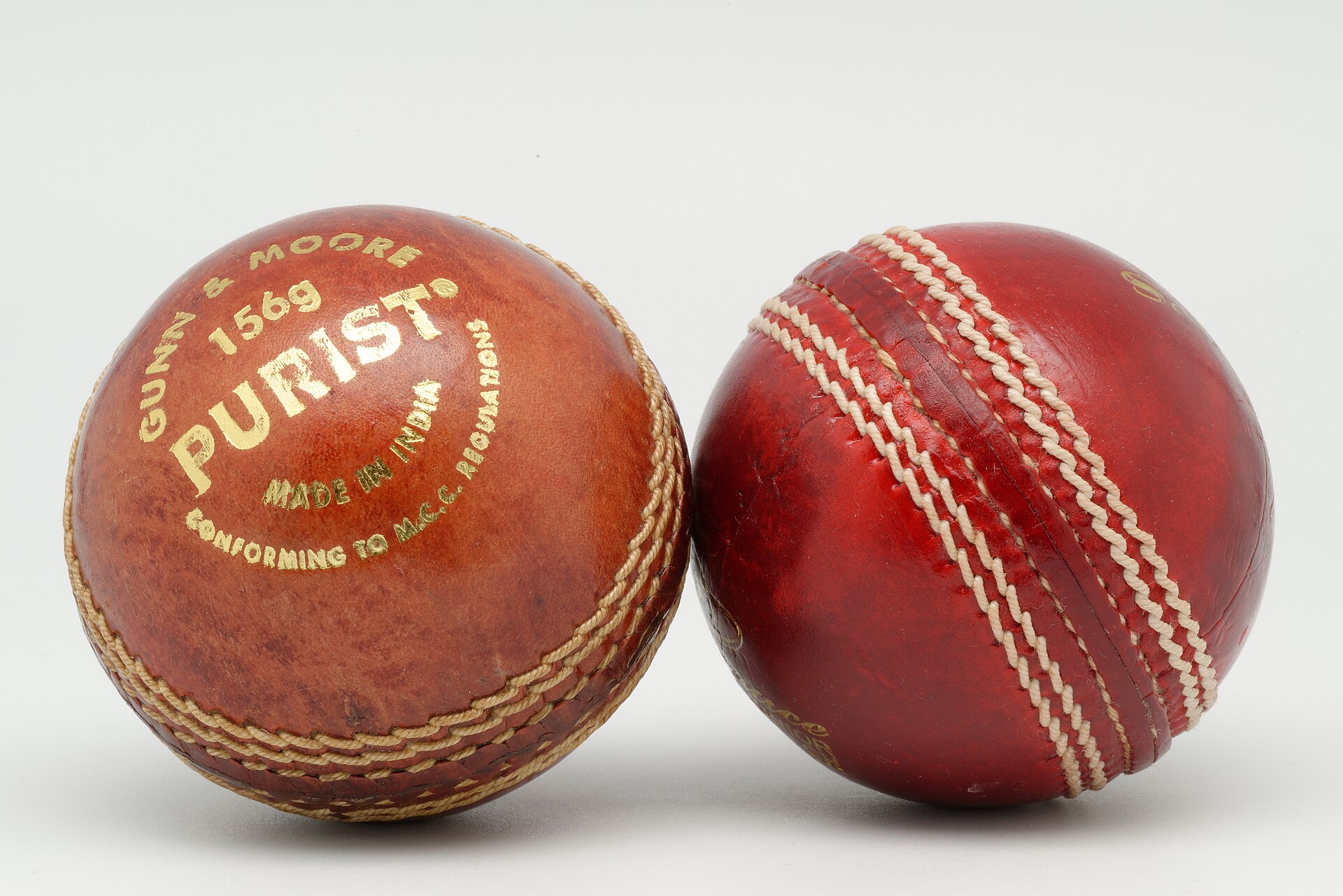
Note the over when the new ball is taken. Both the swing and the seam change, and the captains will want to know exactly when it happened.
Declarations
If a captain declares, write the time and the score. Do not invent wickets to make the innings look finished.
Follow-ons
If the first-innings lead is large enough, the captain may enforce the follow-on. Record the decision and the time. The Laws set the margin.
The result
A Test can end in a win, a draw, or, rarely, a tie. Write the outcome in the Laws' words, and record the time and the final score.
Common mistakes
- Continuing the first-innings sheet into the second innings.
- Forgetting a session break, so the day's overs drift.
- Recording a declaration without the time.
Citations
MCC Laws of Cricket. Read them for the exact wording on follow-on, declarations and the result.
Match questions
Questions scorers actually ask
- 01 How many days is a Test?
- Usually five, with a scheduled number of overs each day. Some matches are shorter or longer depending on the agreement.
- 02 Can a Test be a tie?
- Yes, though it is rare. Both sides finish with the same total, with all their wickets accounted for.
- 03 What does a draw mean?
- The match ended without a result, usually because time ran out before both sides could finish their innings.