When it applies
In Test cricket, a side that leads by 200 runs or more after the first innings can enforce the follow-on. The lead is counted from the first innings totals. The captain of the leading side makes the decision.
The decision
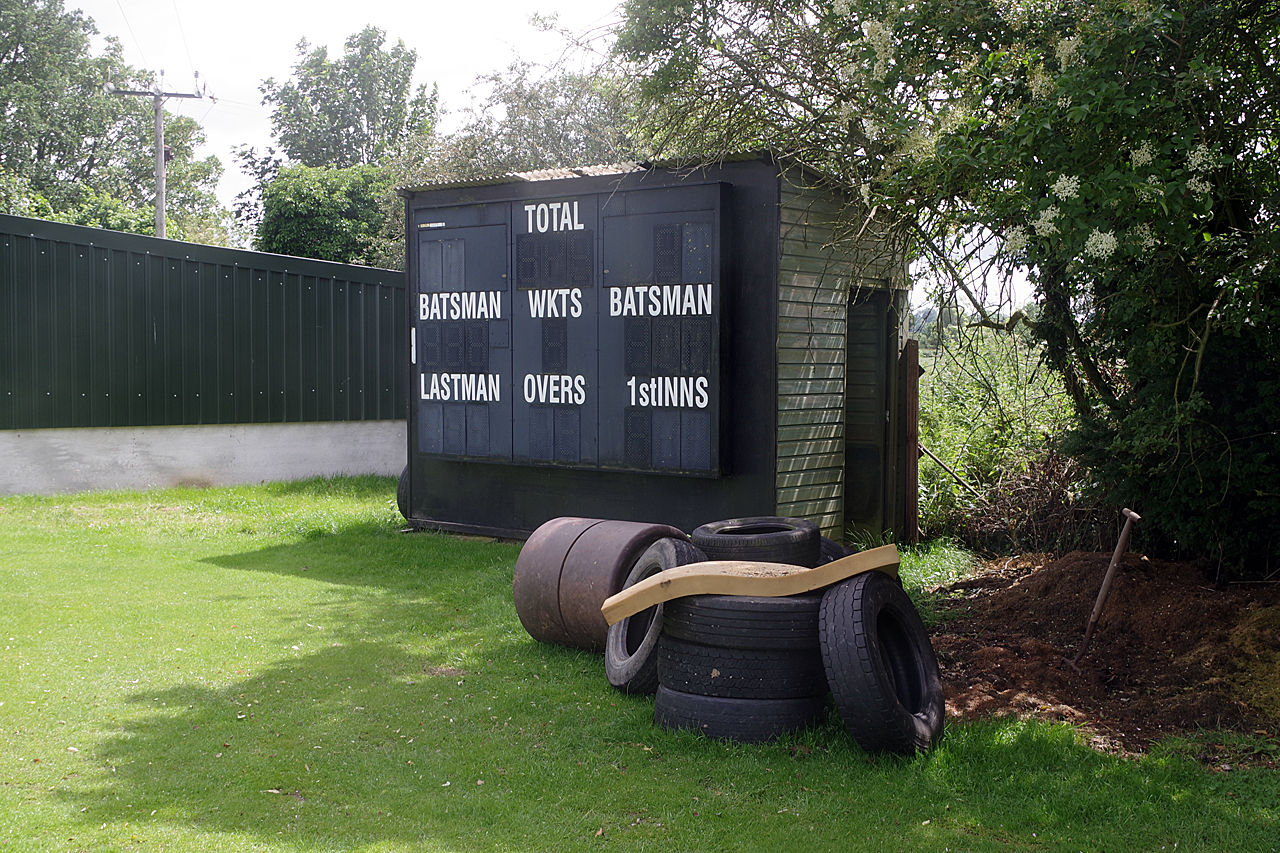
The captain decides, and the scorer records it with the time. The trailing side then bats again immediately, starting a new innings in the book.
What the scorer records
- The first-innings totals and the lead.
- The decision to enforce the follow-on, with the time.
- A new innings sheet for the trailing side, starting at the time the innings begins.
Common mistakes
- Continuing the first-innings sheet for the follow-on innings.
- Forgetting to record that the follow-on was enforced.
- Using the wrong lead margin for the format.
Citations
MCC Laws of Cricket, the section on the follow-on.
Match questions
Questions scorers actually ask
- 01 What is the lead needed for a follow-on?
- In Test cricket, 200 runs after the first innings. Other formats set their own margin in the playing conditions.
- 02 Must the captain enforce it?
- No. The captain can choose to bat again instead, or to enforce the follow-on.
- 03 Does the follow-on count as a new innings?
- Yes. It is a new innings in the book, even though it starts straight after the first.