W. G. Grace made cricket a spectacle
Grace's technical contribution was to bat both back and forward off the same stance, treating each ball on its merits instead of committing to one method. His commercial contribution was larger: crowds paid to watch a specific person, and the professional game around him grew accordingly. The modern idea that a cricketer can be a public figure begins here.
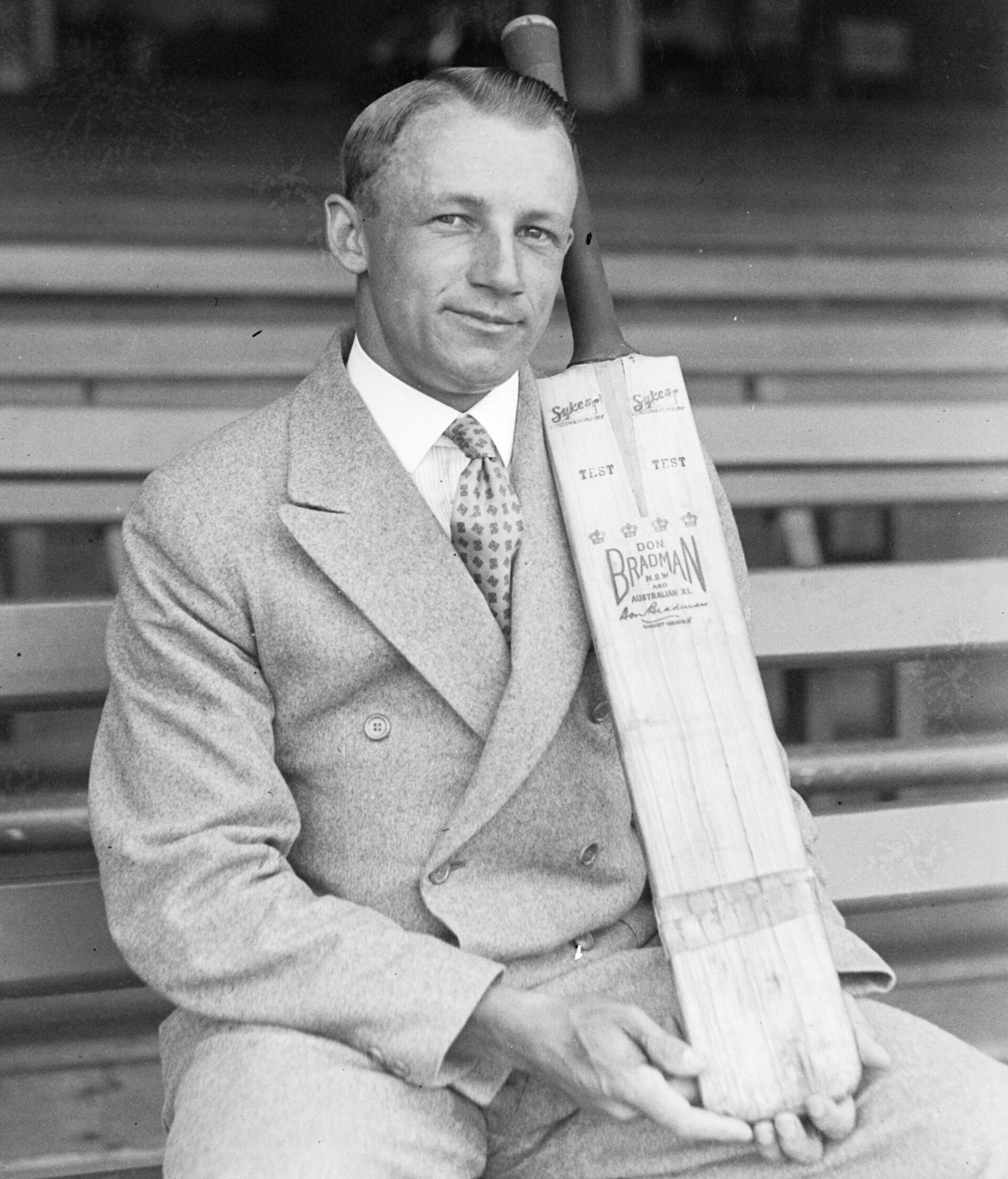
Don Bradman made a number famous
Bradman's Test average of 99.94 is the sport's best-known statistic, and the gap between him and the next name is what makes it remarkable rather than the figure itself. The tactical response was extraordinary too: England's bowling plan in 1932-33 — fast, short, aimed at the body with a packed leg-side field — was designed to contain one batter, caused a diplomatic incident, and led to the Laws restricting the field.
Garfield Sobers redefined the all-rounder
Sobers batted at the top, bowled both seam and spin, and fielded anywhere, which made the category "all-rounder" mean something more than a batter who could hold an end. He also produced the game's most-cited single over: six sixes off Malcolm Nash for Nottinghamshire against Glamorgan in 1968, the first time it had been done in first-class cricket.
Shane Warne kept spin bowling alive
By the late 1980s the fashionable idea was that fast bowling had made wrist spin obsolete in the professional game. Warne's career made leg spin a first-choice attacking option again, and a generation of children learned to bowl it because of a highlight reel.
Sachin Tendulkar made longevity the achievement
Tendulkar debuted as a teenager and played international cricket for over two decades under a level of public attention no cricketer had faced before. His hundred international centuries stands less as a batting record than as a durability record — the ability to keep producing while carrying a country's expectations.
What to take from this
None of these careers are impressive in isolation from their era, and that is the point. Read a great player as a response to a specific problem: a pitch that did something, a rule that allowed something, an attack that had never been solved. The statistics are evidence, not the story.
Why individual players matter
Cricket is a team game, but a few players have changed how the whole game is played. Their techniques were copied, their records were chased, and their roles became standard. Looking at what they did differently is a useful exercise for any club player, because the same ideas often work at club level.
What a club can learn
A player who changed the game usually did one thing very well and kept doing it. For a club batter that might mean a reliable defence and a clear scoring shot. For a bowler it might mean a consistent length. Pick one habit to practise, and measure it over a season using the scorecards rather than memory.
Match questions
Questions scorers actually ask
- 01 Does a career statistic prove a player changed the game?
- Not on its own. Numbers show scale; changing the game also means others copied the method, the role or the approach.
- 02 Why are some players remembered for style rather than figures?
- Because the way a player batted or bowled altered how coaches taught the next generation, which the figures do not show.