An obituary for English cricket
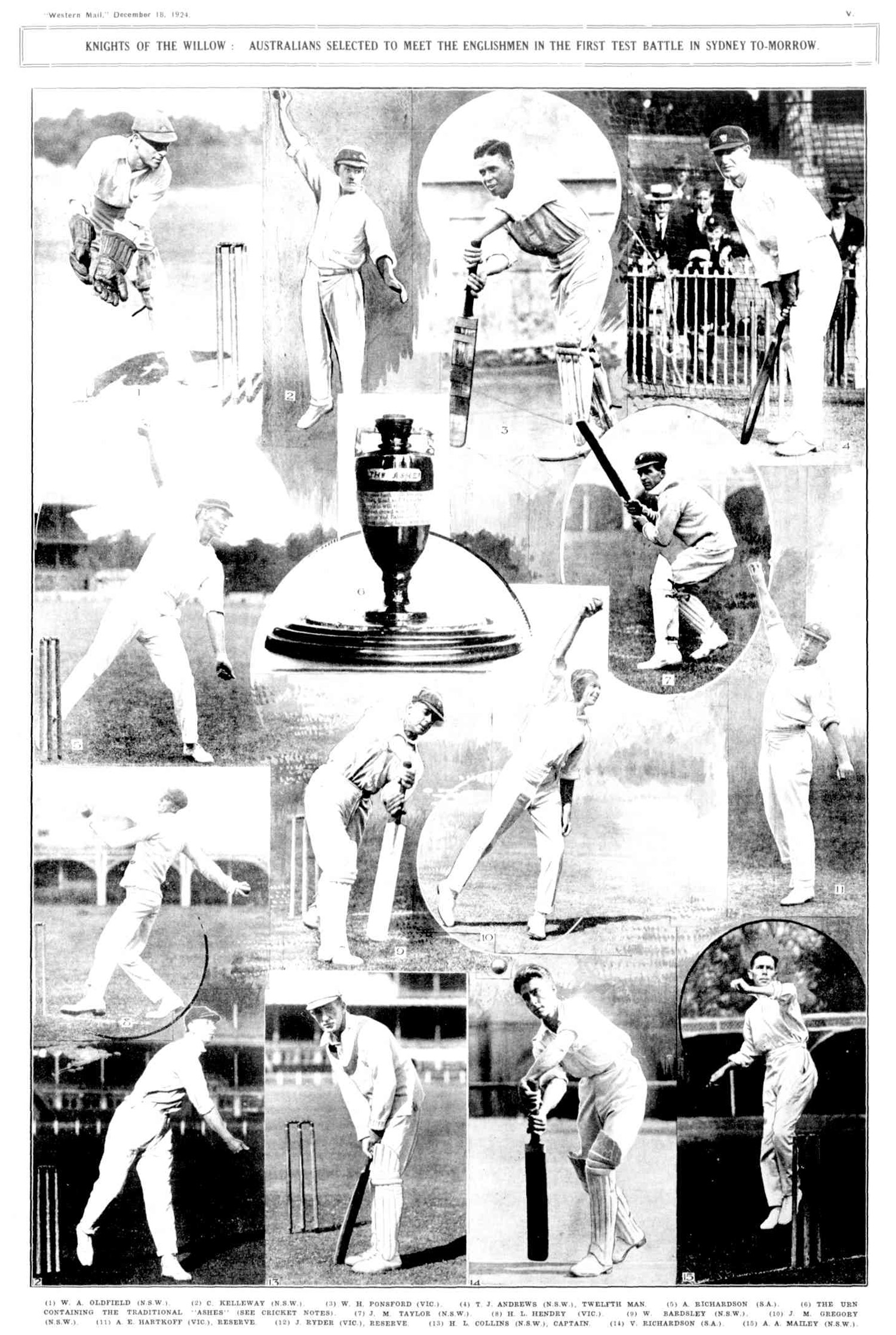
Australia beat England at The Oval in 1882, their first Test win on English soil. The Sporting Times responded with a mock obituary announcing that English cricket had died and that "the body will be cremated and the ashes taken to Australia".
England's next tour was framed by the press as a quest to regain those ashes. During that trip a small terracotta urn was presented to the England captain, and the joke acquired an object. The urn is tiny, fragile, and lives at Lord's; the trophy lifted on the field is a replica. A rivalry that has run for over 140 years is named after a newspaper gag about a funeral.
What makes a rivalry rather than a fixture
Three things, usually.
Repetition with stakes. England and Australia have played each other continuously enough that each series argues with the last one. Every Ashes is partly about the previous Ashes.
A grievance people remember. Bodyline in 1932-33 — England bowling fast and short at Australian batters, Bradman in particular, with a packed leg-side field — became a diplomatic incident and changed the Laws. Rivalries need at least one episode that both sides describe differently.
Something outside cricket riding on it. India and Pakistan is the clearest case. The two sides play rarely in bilateral series, so meetings in global tournaments carry a weight of politics and diaspora attention that no amount of cricket can absorb. The 1999 World Cup match, played while the two countries were in conflict, is remembered as much for the context as the result.
The rivalries that get less attention
Australia and the West Indies through the 1970s and 1980s was the era's real contest of quality. India and Australia has become the modern one, with a specific texture: hostile home advantages at both ends and long series that turn on whether a visiting side can bat on a turning pitch.
Why any of this belongs on a scoring site
Because rivalry explains crowd behaviour, over rates, and why a club derby needs its playing conditions written down before the toss. The dynamic that makes Ashes cricket compelling — long memory, contested facts, both sides certain — is exactly what makes a disputed no-ball at a village ground into a committee matter. The written record is what settles it, at every level.
What keeps a rivalry going
A rivalry lasts when both sides keep meeting and both sides keep caring. The Ashes has been contested for well over a century, and the regular series create memories that pass from one generation to the next. Club rivalries work the same way: a fixture that happens every season gathers its own history quickly.
Making a club rivalry
If your club has a local rival, keep the fixture on the calendar every season, record the results carefully, and publish the head-to-head record. A simple trophy or a shared scorebook turns a match into a tradition.
Match questions
Questions scorers actually ask
- 01 What is the Ashes?
- A Test series between England and Australia, played since 1882 and named after a small urn presented after a famous defeat.
- 02 Does the Ashes urn go to the winner?
- No. The original urn is kept at the MCC Museum at Lord’s, and the series winners receive a replica.