Byes
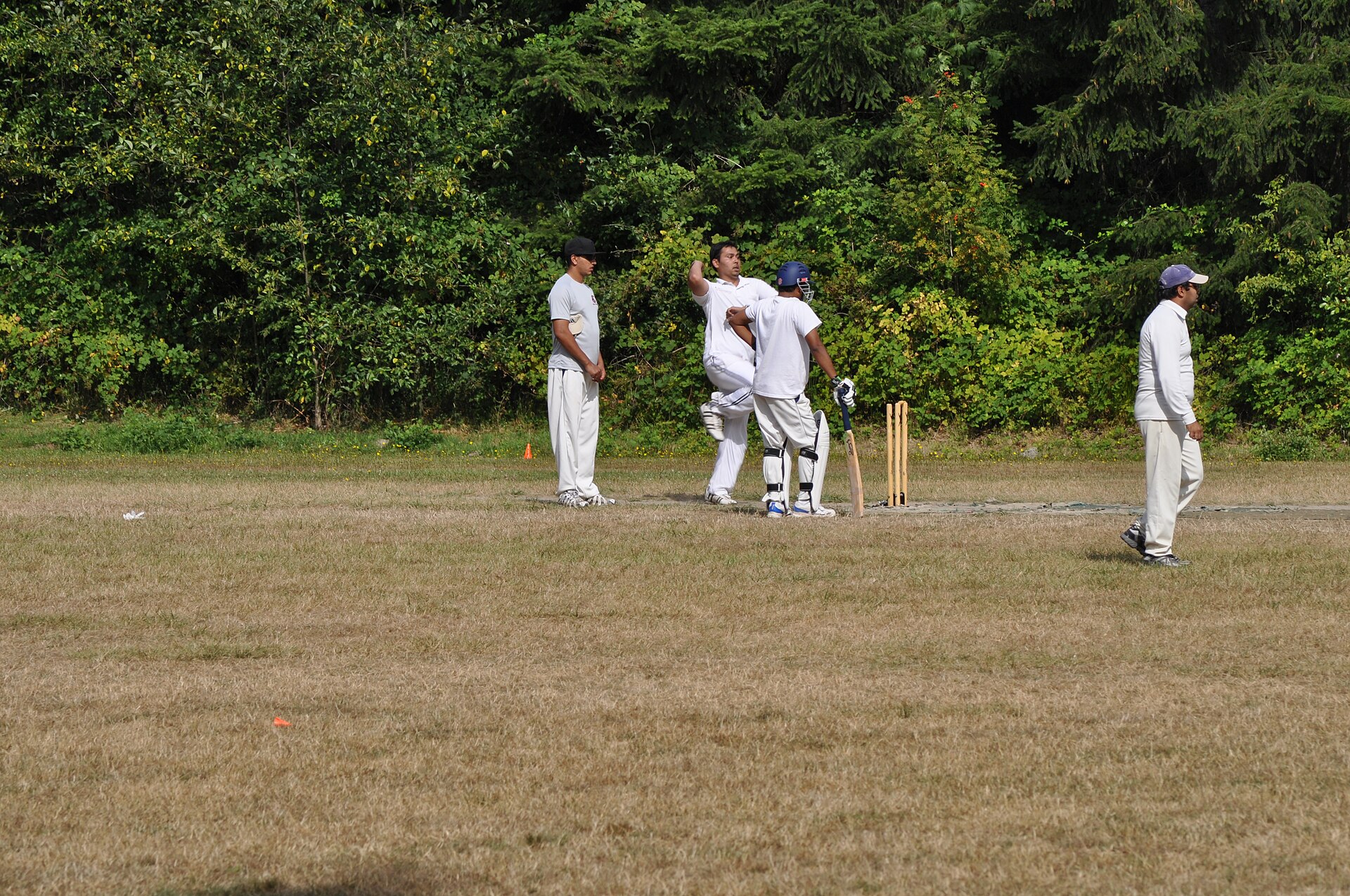
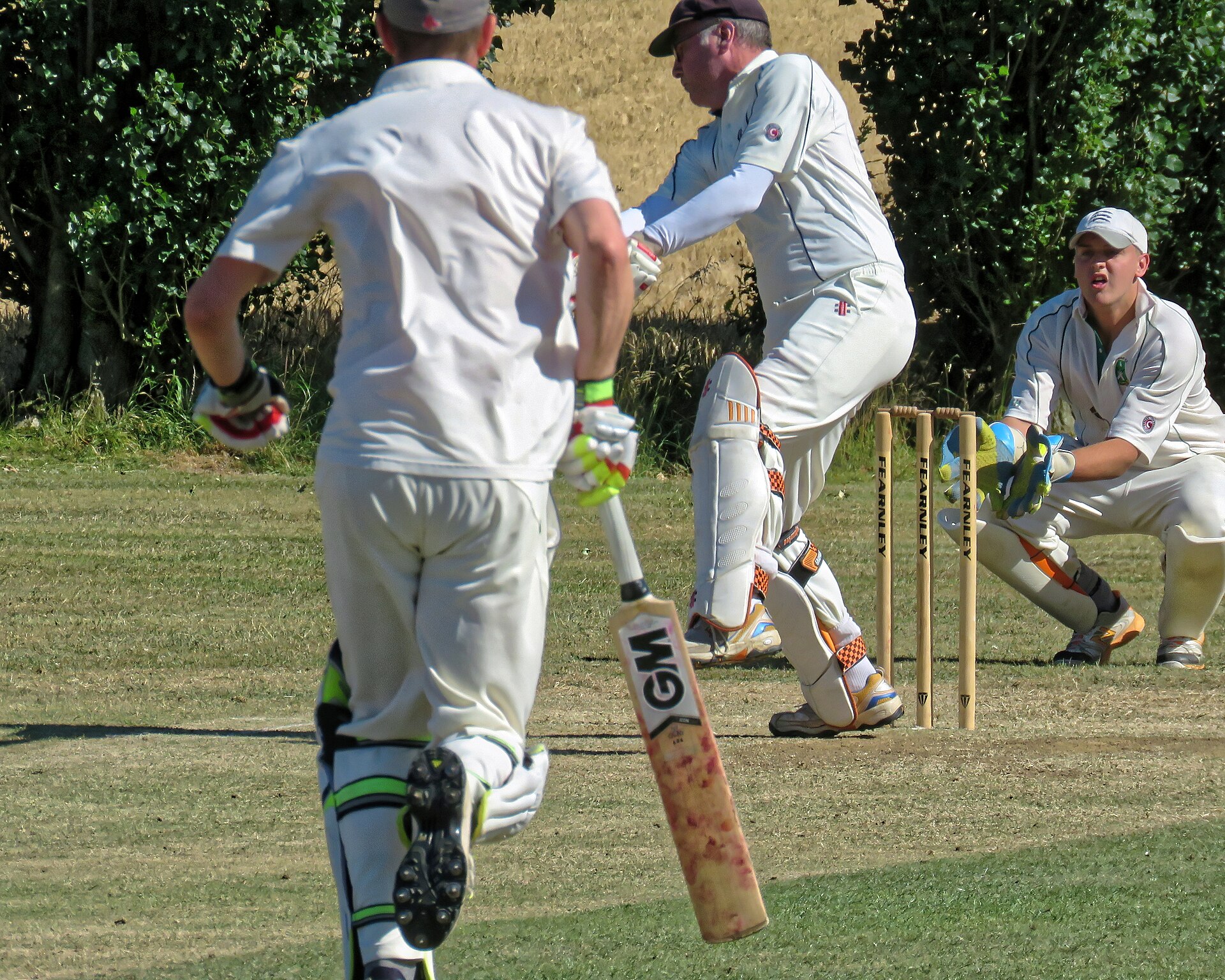
A bye is a run taken when the ball passes the bat and the batter’s body, and the batters run. It usually means the wicket-keeper missed the ball, or the ball went past without touching anything. The bowler is not charged with the runs.
Leg-byes
A leg-bye is a run when the ball hits the batter’s body or pad, not the bat, and the batters run. The batter must have been trying to play the ball, or the ball must have hit them while they were in the normal stance. The bowler is not charged.
What the scorer records
- b for byes and lb for leg-byes.
- The runs in the extras column, not in the batter's score.
- The ball counts as a legal ball, so it is one of the six in the over.
Common mistakes
- Recording a leg-bye when the ball hit the bat.
- Charging the bowler with byes, which breaks the analysis.
- Forgetting that byes and leg-byes are legal balls, so the over count is right.
Citations
MCC Laws of Cricket, the sections on byes and leg-byes.
Match questions
Questions scorers actually ask
- 01 Does a bye count as a legal ball?
- Yes. The ball was legal, so it counts toward the six balls of the over.
- 02 Is a leg-bye always off the pad?
- Not always. It is runs off the batter’s body or pad, not the bat, after the batter was in the normal stance and the ball hit them.
- 03 Are byes counted against the bowler’s economy?
- No. The runs are extras, and the bowler’s runs conceded do not include them.