What the scorer must know
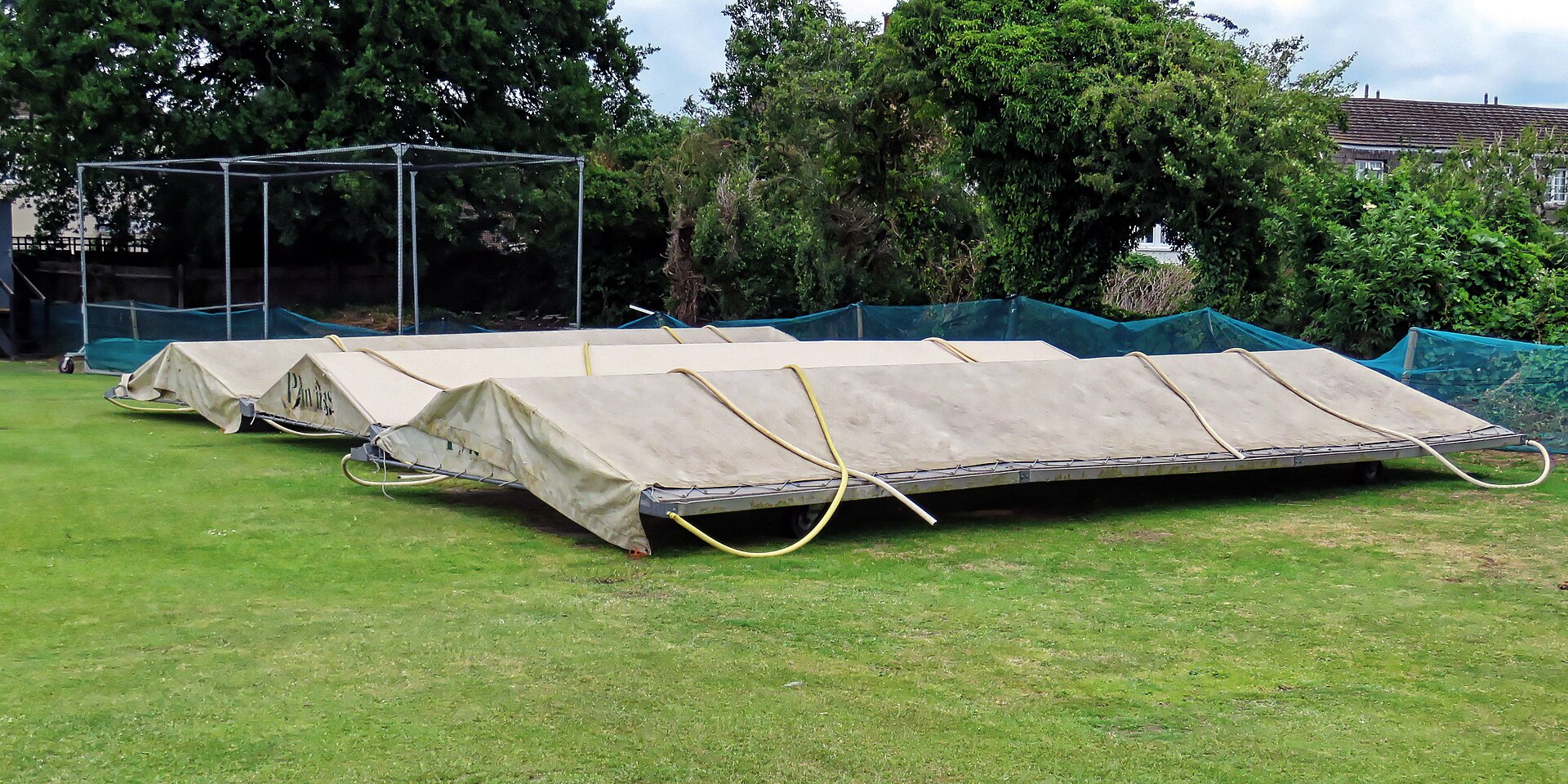
If rain kills overs in the second innings, you cannot subtract six an over from the original target and call it fair. DLS asks how many resources were left, including wickets, and sets a new target from that.
What the method needs from the book
- Team 1's completed score, including any runs that were not off the bat.
- Overs available to each side, after any reduction.
- Wickets down at the moment play stopped.
- The stoppage time and the restart time, so the overs lost can be counted.
Why a simple cut is wrong
A team that has lost three wickets has fewer resources than a team that has lost none, even with the same overs left. A straight run-rate cut ignores that. DLS is designed to reflect the batting resource left, which is why it can give a target that looks strange at first glance.
Where the calculator on this site fits
The calculator on this site explains why a target moved. It is a teaching model. Use it to understand the result, not to decide a match.
What to do during a stoppage
- Write the time play stopped and the score and wickets.
- Write the time play resumed and the revised overs.
- Ask the umpires to confirm the revised overs in writing before the innings resumes.
- Keep the DLS figures on the scorecard so the captains can check them.
The rule that matters most
The playing conditions for the competition name the official tool. Use that tool for the result. If the playing conditions name no tool, ask the league before the match, not after.
Citations
ICC playing conditions and the Duckworth-Lewis-Stern method. Your competition's playing conditions take precedence.
Match questions
Questions scorers actually ask
- 01 Can I use the teaching calculator as the official target?
- No. It is for explanation. The competition must name the official DLS tool.
- 02 Why did the target go up after a wicket?
- The revised target depends on resources. A team with more wickets in hand has more resources left, and that can raise the target if the lost overs cost the chasing side little.
- 03 Does DLS apply to every match?
- Only where the playing conditions say it does. Many club leagues do not use it at all, and use a simpler rule instead.
- 04 What if the overs are cut before the match starts?
- Then the match is a reduced-overs game from the start, and the target is set from the reduced overs without DLS.