The over
An over is six legal balls from one end. Wides and no-balls are not legal balls, so the over runs on until six legal balls are bowled. Each over is bowled from one end, and the next over comes from the other.
Bowling consecutive overs
A bowler cannot bowl two overs in succession. The Laws say that a bowler may not bowl consecutive overs, so the change of bowler at each end must be a different player. The scorer checks each change against this rule.
Bowler limits
Competitions set a maximum number of overs for each bowler, often a fifth of the innings in limited-overs cricket. Write it at the top of the book. The scorer checks the analysis against the limit at each change.
The new ball
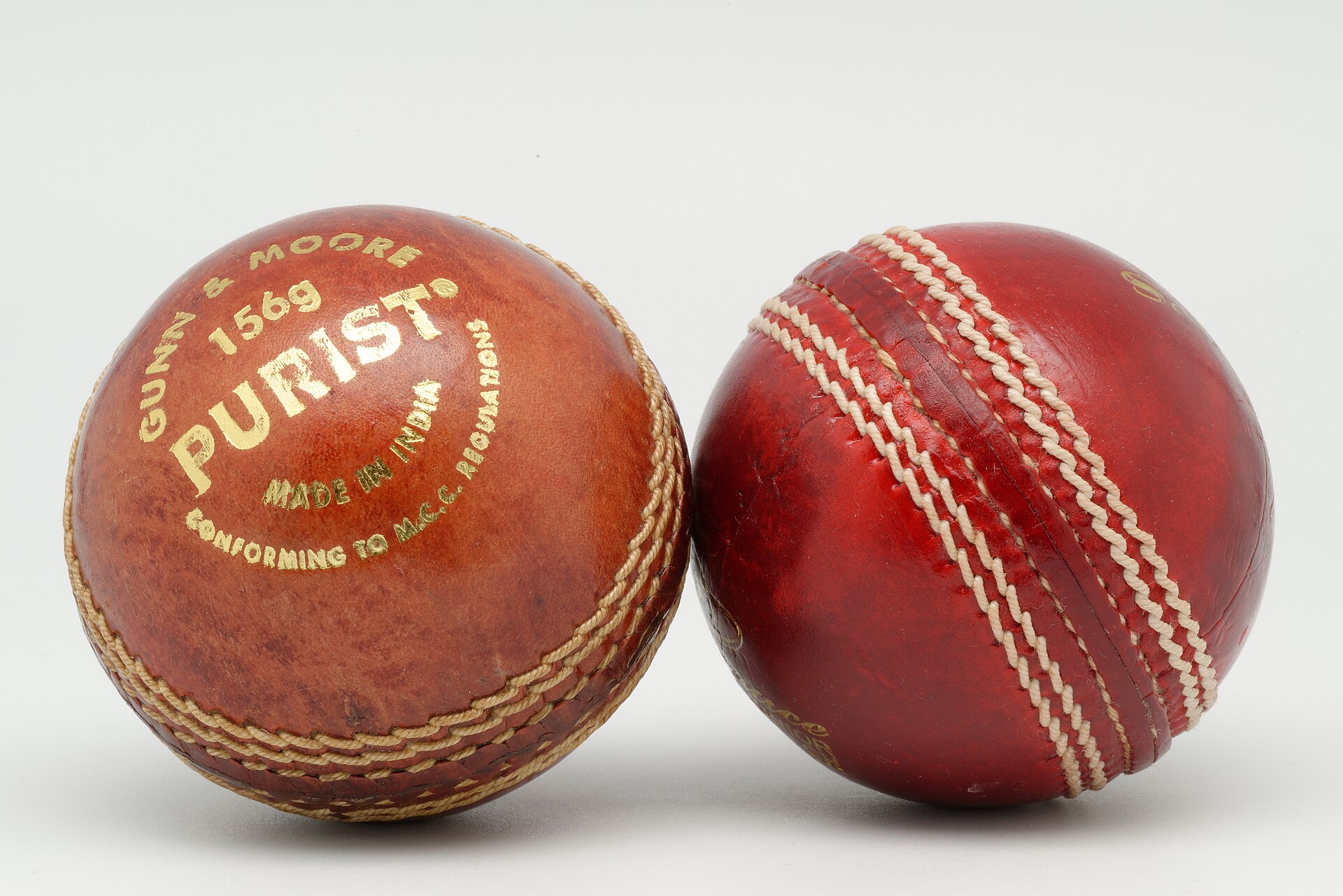
In Test cricket, the fielding side may take a new ball after a set number of overs. The scorer records the over and the time the new ball is taken.
What the scorer records
- The bowler's name and end for every over.
- The overs bowled and the bowler's maximum, so the limit is visible.
- The over number when the new ball is taken.
Common mistakes
- Recording an over that the same bowler bowled consecutively.
- Missing a bowler who has reached the limit.
- Recording the new ball at the wrong over.
Citations
MCC Laws of Cricket, the sections on the over and the bowler's changes. The new ball is set by the playing conditions.
Match questions
Questions scorers actually ask
- 01 Can the same bowler bowl two overs in a row?
- No. The Laws prevent a bowler from bowling consecutive overs, so the next over comes from a different bowler.
- 02 How many overs can one bowler bowl?
- It depends on the format and the competition. Often a fifth of the innings in limited-overs cricket.
- 03 When is the new ball taken?
- In Test cricket, after a set number of overs. The playing conditions name the number for each competition.