Hit wicket
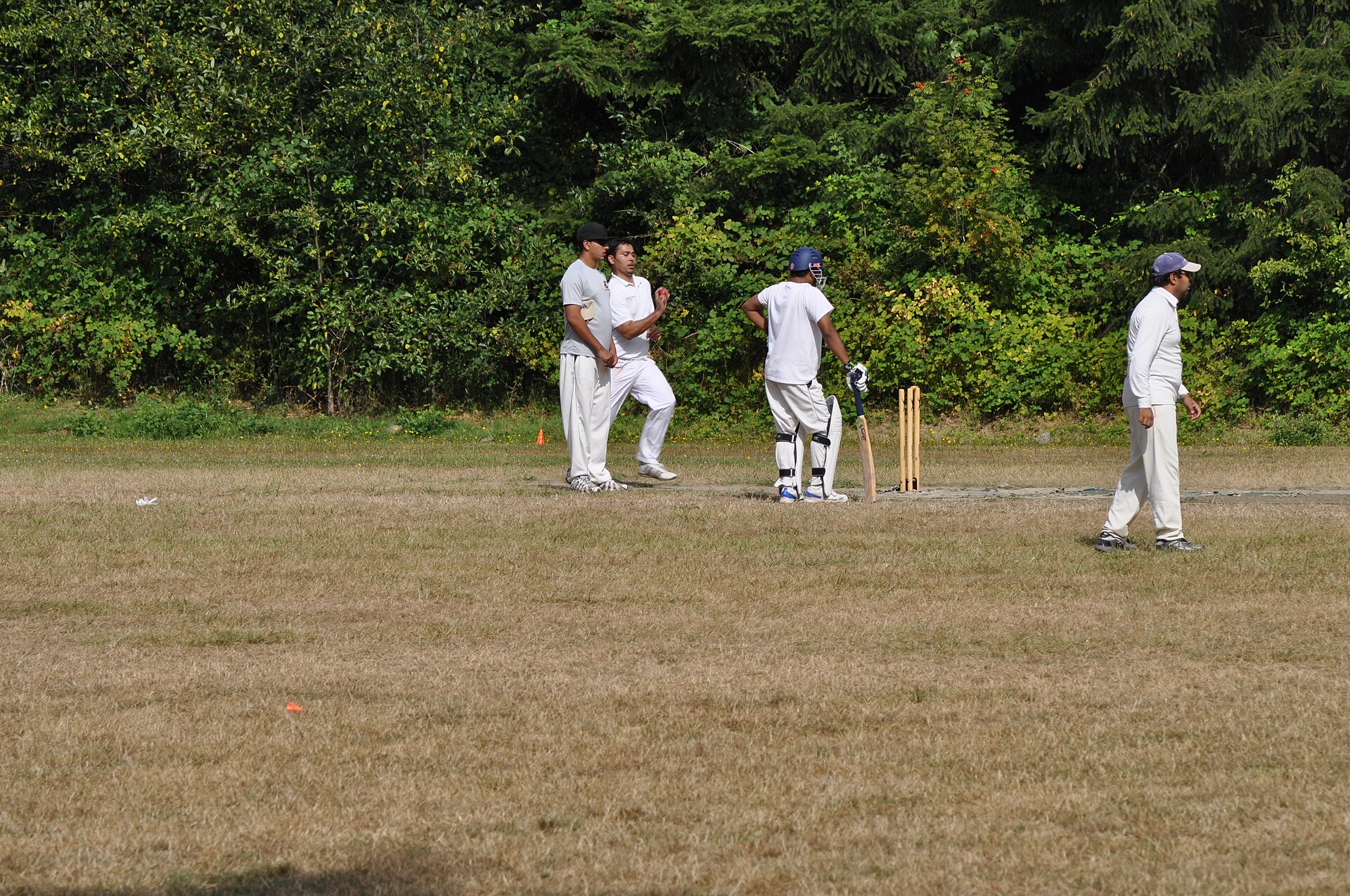
The batter is out if, in playing the ball or setting off for a run, they break their own wicket. It is the dismissal that looks like an accident and is credited to the bowler.
Obstructing the field
Out if a batter deliberately obstructs or distracts the fielding side — including, since the Laws absorbed the old "handled the ball" dismissal, deliberately striking the ball with a hand not holding the bat. Rare because it requires the umpire to judge intent.
Hit the ball twice
A batter may legitimately play the ball a second time to protect their wicket. Doing it to score runs is out. This one exists to stop a batter treating a stationary ball as a free hit.
Timed out
An incoming batter must be ready to receive within a set time after the previous wicket — three minutes under the Laws, and shortened in some competitions' playing conditions. It is almost always resolved by common sense, which is exactly why the rare occasions it is applied become famous.
Retired out
A batter who leaves the field without the umpires' permission and without an acceptable reason such as injury is recorded as retired out, and it counts as a completed innings. Retired not out, by contrast, is not a dismissal and leaves the innings open.
Stumped, and the near-misses
Stumped requires the wicket-keeper to break the wicket with the batter out of their ground after missing the ball. If the keeper's gloves were in front of the stumps when the ball was delivered, it is a no-ball. If the batter was pushed out by the delivery rather than moving deliberately, it is still out — the Law cares about position, not intention.
The penalties nobody expects
Not all oddities are dismissals. Five penalty runs are awarded if the ball strikes a fielder's helmet lying on the ground, if a fielder illegally fields the ball, or for certain unfair-play offences. These go into the innings total as penalties, not as anything a batter did.
Writing them down
The mode of dismissal belongs in the book in full. "Out" is not a record. Six months later, the difference between retired out and retired not out is the difference between a completed innings and an average that lies, and the only person who can answer it is the one who wrote the line.
Recording unusual dismissals
Scorers must record the correct dismissal type, because the scorecard is a permanent record. A handled-the-ball dismissal or an obstructing-the-field dismissal is recorded differently from a caught or bowled one, and the bowler is not credited with a wicket in the same way. If you are unsure of the correct record, ask the umpire before the next delivery.
Check the Laws
The exact conditions for each unusual dismissal are set out in the MCC Laws. Read them before the match if your team is likely to face one, and make sure your scorer knows the correct form.
Match questions
Questions scorers actually ask
- 01 What is the most unusual dismissal?
- Obstructing the field and handling the ball are rare; both are decided by the umpire and recorded as their own modes.
- 02 Can a bowler get the wicket for every dismissal?
- No. Run outs, retired out, handled the ball and obstructing the field are dismissals without a bowler credit.