What it means
A captain declares an innings closed while wickets are still standing. The batters at the crease stop batting, and the innings total is what it is at that moment.
When a captain declares
Captains declare for several reasons: to set a target, to protect a bowler, or to save time in a limited match. In formats that allow declarations, the decision is the captain's to make.
What the scorer records
- The declaration, with the time, the score and the wickets.
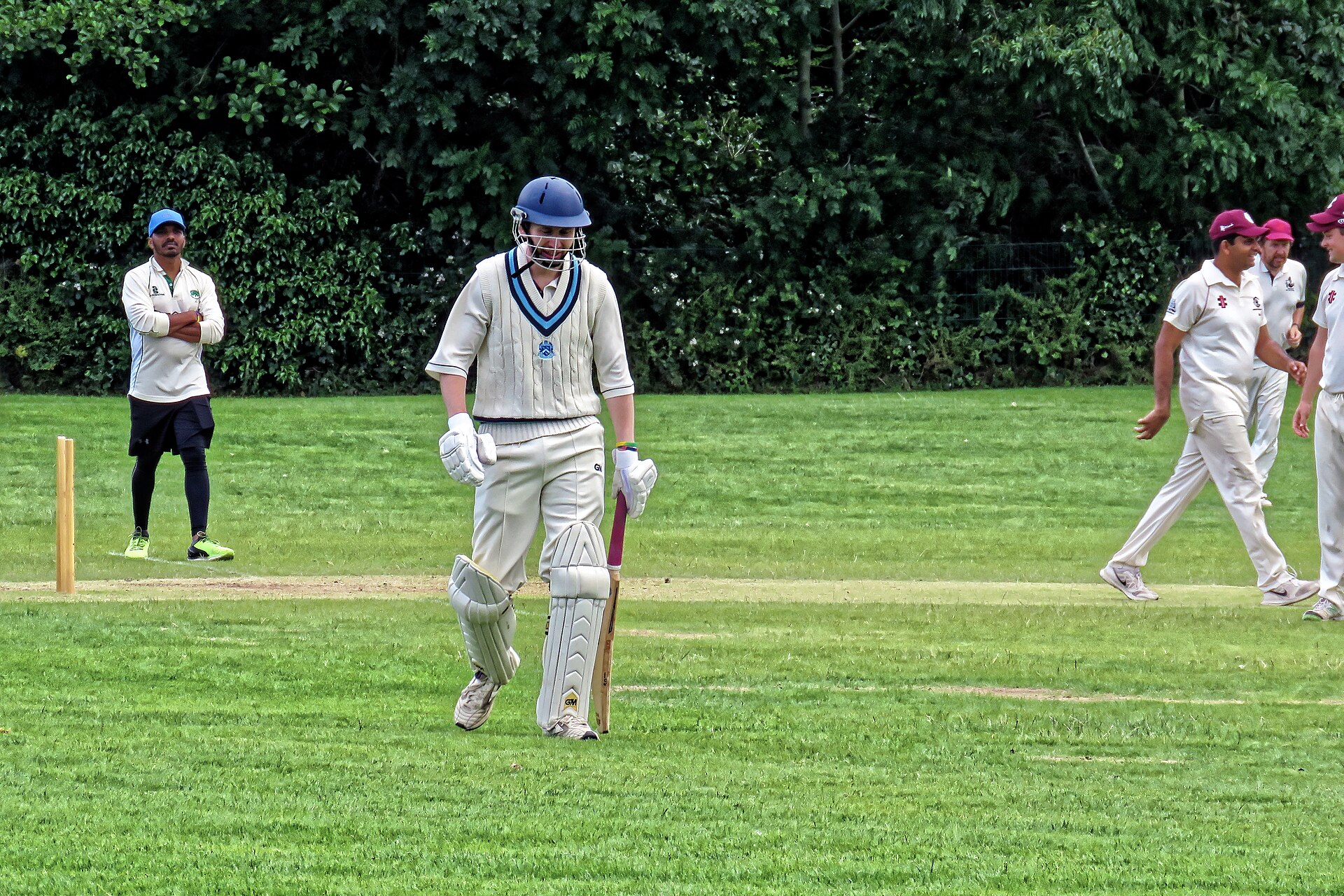
- The batters at the crease at the moment of the declaration.
- The start of the next innings, if the match continues.
Common mistakes
- Inventing wickets to make the innings look finished.
- Recording a declaration after play has restarted.
- Forgetting that a declaration ends the innings for the bowlers' analysis at that point.
Citations
MCC Laws of Cricket, the section on declarations.
Match questions
Questions scorers actually ask
- 01 Who decides a declaration?
- The batting captain. The scorer records it with the time and the score.
- 02 Do declarations happen in limited-overs cricket?
- Usually not, because the innings ends when the overs or wickets run out. Check the playing conditions for your format.
- 03 What happens to the batters at the crease?
- They are not out. They finish the innings as not out, and their scores stand.