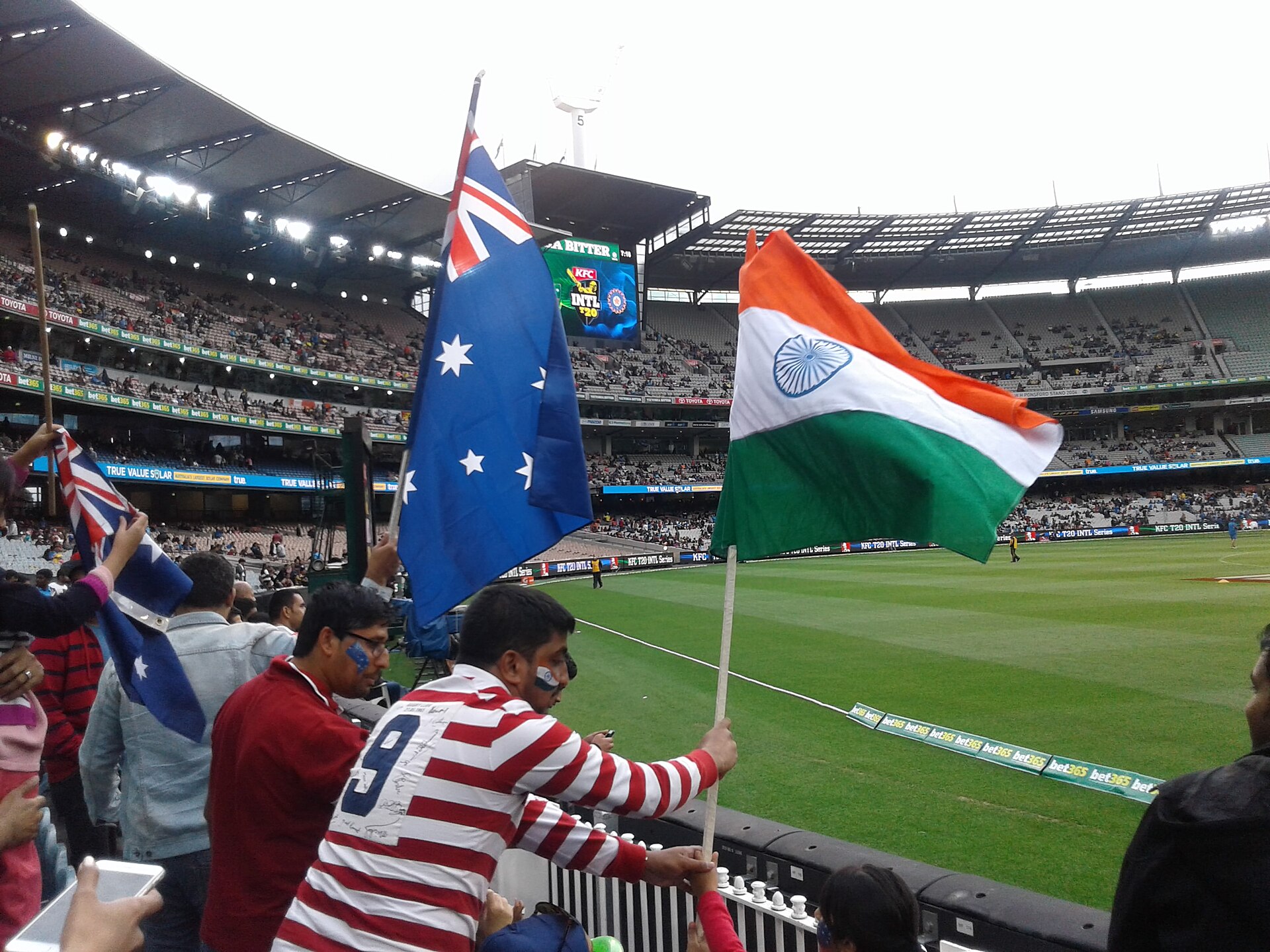
Cricket is played in three main international formats, and most club cricket borrows from them. Each one tests a different set of skills and suits a different kind of season. Understanding what separates them is the first step to choosing a format for your club, your tournament or your Sunday game.
T20
A T20 match gives each side 20 overs. It usually finishes within a few hours, which suits evening games and clubs with limited ground time. Bowlers are limited to four overs each in international matches, which keeps the bowling spread across the team. The format rewards aggressive batting, quick fielding and bowlers who can keep the score down at the death.
For a club, T20 is often the easiest format to run. A match fits into an afternoon, players can play after work, and the result arrives quickly. The trade-off is that a single bad over can decide a match, so depth in the squad matters.
One-day internationals
An ODI gives each side 50 overs and takes most of a day. It suits clubs with a full Sunday and a squad that can bat and bowl for a long innings. The format rewards batters who can build an innings and change gears late, and bowlers who can vary their pace across the overs.
Clubs that play ODIs usually need more players and more time. A club that has a steady group of members and a reliable ground can run a league of ODIs well, but a club that struggles to field eleven players every weekend may find it hard to sustain.
Test matches
A Test match is played over up to five days, with two innings for each side. It rewards patience, endurance and tactical thinking. A match can be drawn, and a team that is behind can still recover by batting for a long time. The result depends as much on the pitch and the weather as on the teams.
Tests are rare in club cricket because they need a lot of time, a good ground and a squad committed for the whole period. Some clubs run a multi-day friendly to mark a special occasion, and the format is useful for teaching players how to pace an innings across several sessions.
Which format should a club play?
Choose the format that matches the time and space you have. A short format gets more players on the ground each week and fits busy working lives. A longer format builds deeper squads, more varied match situations and stronger technical skills, but it asks more of everyone.
Many clubs run a mix: T20 for the league and a longer match for the end of the season. That approach keeps weekday players involved and gives committed players a more demanding challenge.
Check the rules of your format
Each format has its own limits on overs per bowler, powerplay rules and how results are decided. A T20 match in one competition may have a different bowler limit from another, and an ODI may use a different rule for interrupted play. Read the rules for the format you choose, and agree any local changes in writing before the first match.
Scoring differences
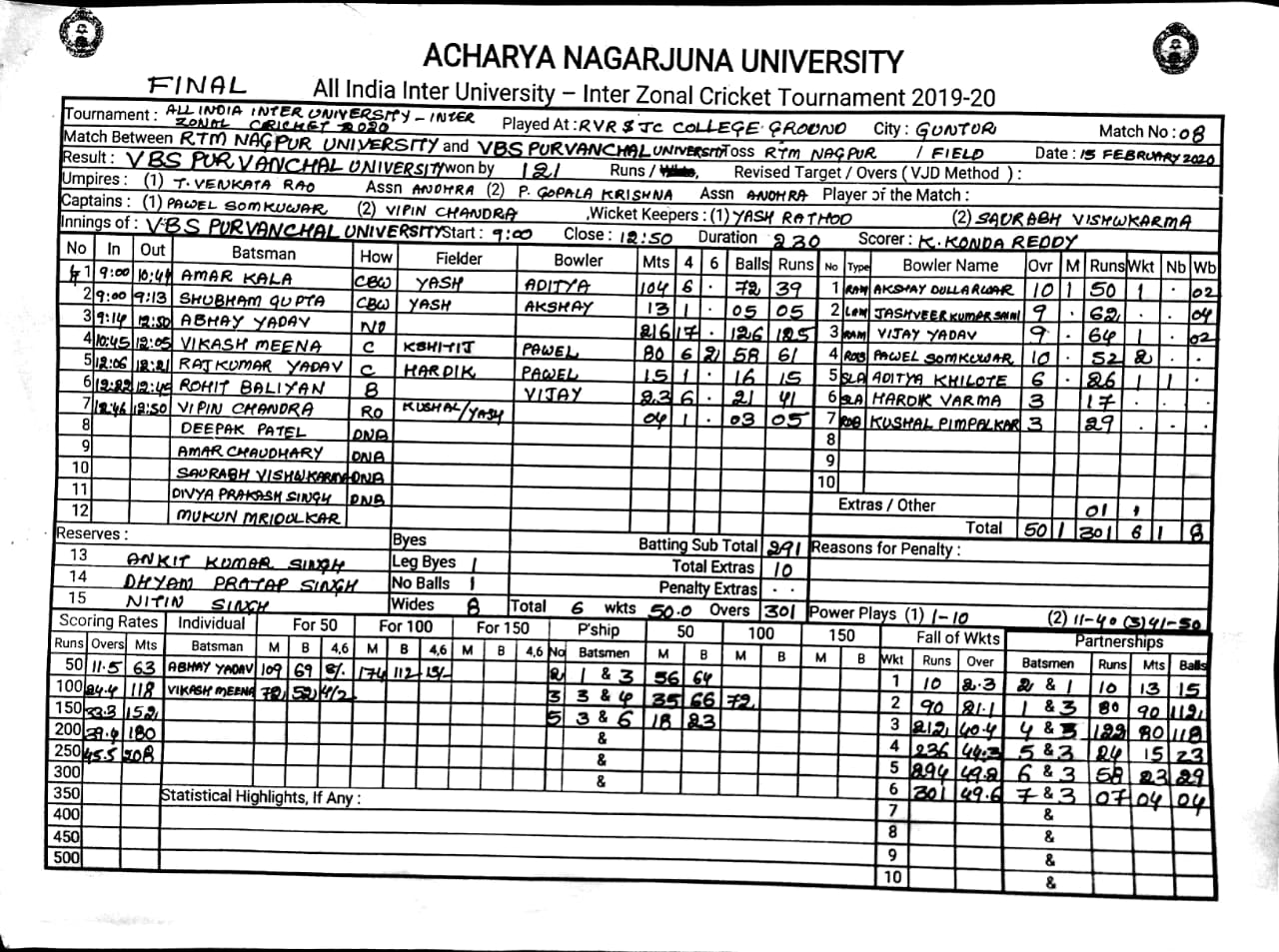
The scorecard changes with the format. A T20 scorecard focuses on the strike rate of the batters and the economy of the bowlers. An ODI scorecard gives more weight to averages and to the run rate over long periods. A Test scorecard tracks two innings per side and the follow-on situation, which is why the scorer needs to know the format before the match starts.
Common questions
The format you choose sets the culture of the club. A short format creates energy and quick decisions, while a long format builds patience. Choose deliberately, tell the players why, and review the choice each season.
Match questions
Questions scorers actually ask
- 01 How many overs can one bowler bowl in a T20?
- Four overs in an international T20. Club competitions often use the same limit, but check your own rules before the season.
- 02 Can a Test match end in a draw?
- Yes. A Test that is not finished within its time, or where the teams agree to end it, can be drawn.
- 03 Which format is best for a new club?
- Usually T20, because a match fits into an afternoon and players can commit for a single day. Move to longer formats once the squad has depth.